
By HollywoodSmiles.net Team | Updated on January 27, 2026
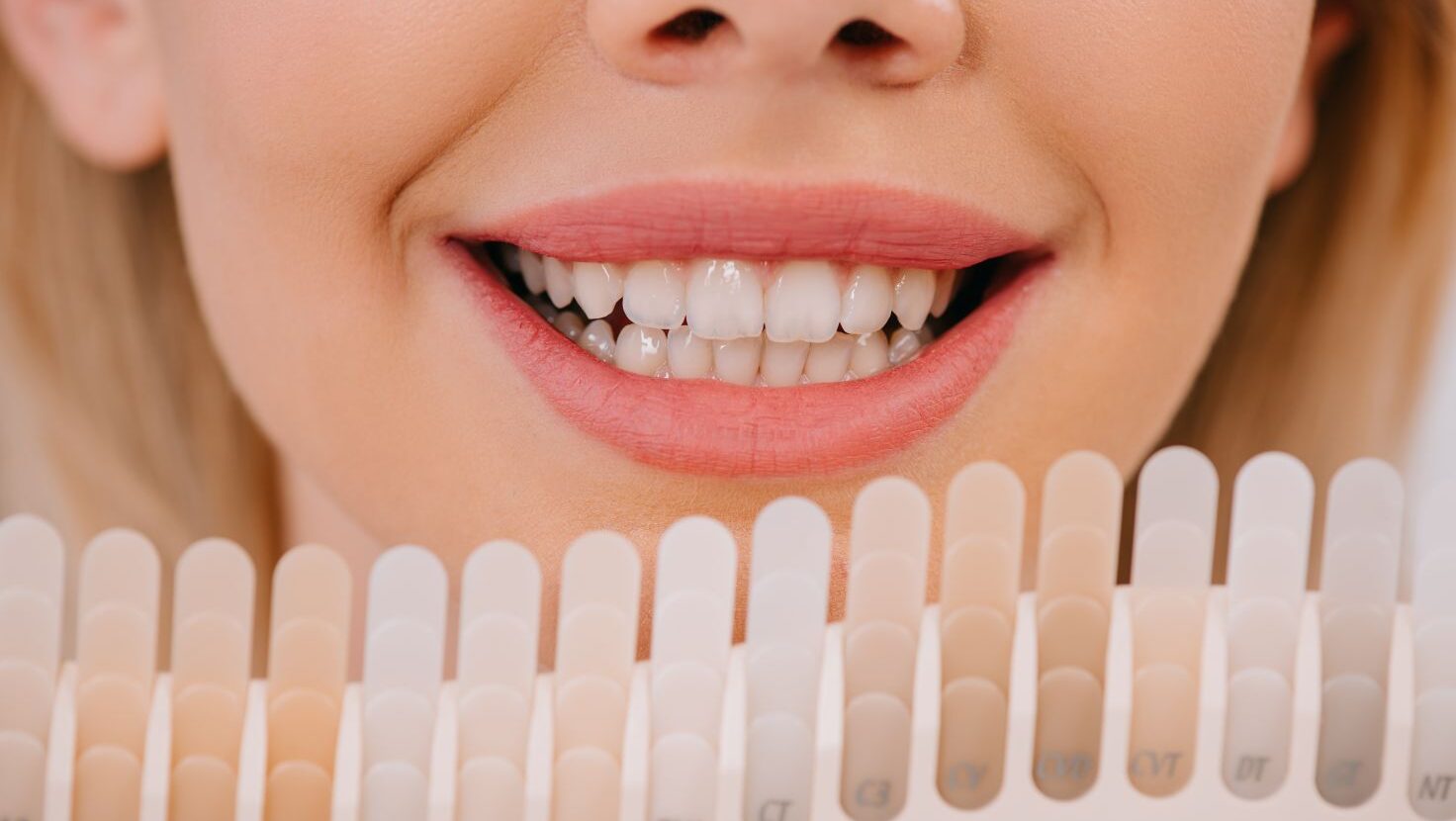
If you’re tired of seeing chipped edges, dark stains, or uneven front teeth every time you smile, dental veneers may be one of the most predictable ways to refresh your smile. Veneers are thin, custom-made shells that cover the front of your teeth to enhance their colour, shape, and overall appearance.
When planned carefully and matched to your face and personality, dental veneers in Turkey can give you a brighter, more even smile without looking “fake” or overdone. This guide will walk you through the options so you can decide, calmly and confidently, whether a smile assessment with us feels like the right next step.
Veneer Guides: Start Here
Follow this quick path to plan your veneers with confidence.
What Are Dental Veneers?
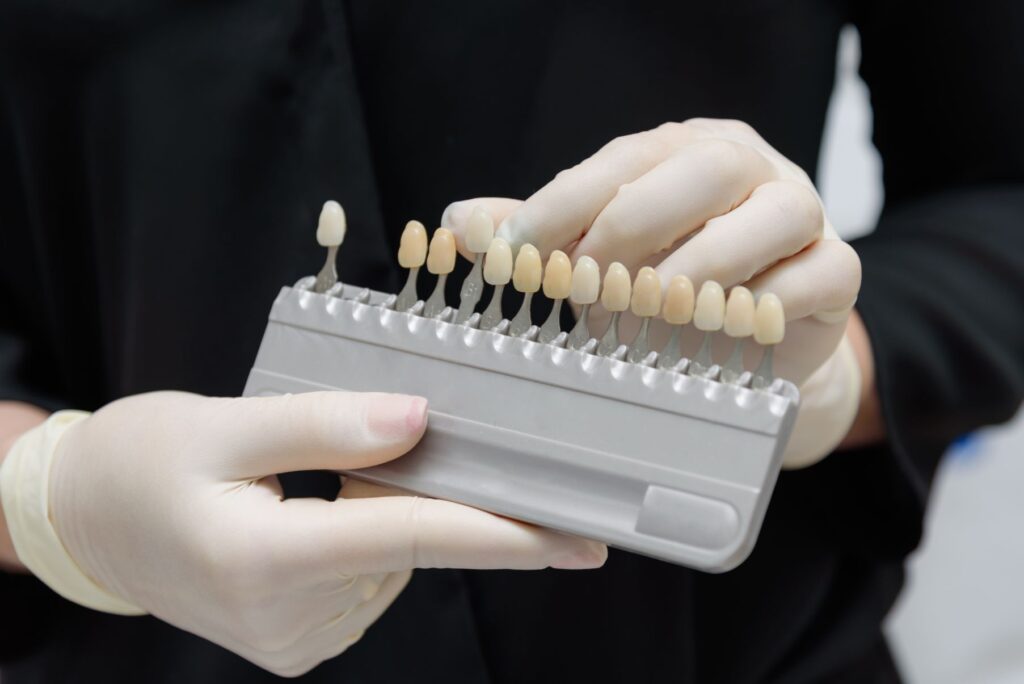
Dental veneers are very thin, tailor-made coverings that bond to the front surface of your teeth. They’re usually made from porcelain or tooth-coloured composite resin and are designed to blend beautifully with your natural smile.
We use veneers to gently change how teeth look—without replacing the whole tooth. They can improve:
- Colour, especially for stains that don’t respond well to whitening
- Shape, for chipped or worn edges
- Size, for teeth that look too small or short
- Apparent alignment, for mildly crooked or uneven teeth
Common concerns veneers can help with:
- Stubborn discolouration that whitening can’t lift
- Chipped, cracked, or worn front edges
- Small gaps between teeth
- Mildly crooked or uneven front teeth
- Teeth that look too small, narrow, or misshapen
Veneers are different from crowns. A crown covers the entire tooth, while a veneer usually covers only the front surface.
Types of Dental Veneers
There is no single “best” type of veneer. The right choice depends on your teeth, your bite, and the kind of change you’d like to see in your smile. In most cases we talk about porcelain veneers, composite veneers, and, in selected situations, minimal-prep or no-prep veneers.
Porcelain Veneers
Porcelain veneers are ultra-thin ceramic shells made in a dental laboratory. They are known for their very natural appearance, with a translucency that mimics real tooth enamel, and they tend to resist staining from coffee, tea, or wine. Treatment usually takes two or three visits, because the veneers are custom-made for you by a technician. To make space for them, we often reshape a small amount of enamel, keeping the preparation as conservative as we can. When they are well planned and cared for, porcelain veneers usually offer excellent longevity and colour stability.
Composite Veneers (Cosmetic Bonding)
Composite veneers, sometimes called bonding, are made directly on your teeth using tooth-coloured resin. Instead of sending work to a lab, the dentist sculpts and polishes the material chairside, so many cases can be completed in a single visit. This option is usually more affordable than porcelain and can be easier to repair if a chip or small fracture appears. The trade-off is that composite can pick up stains and surface wear more quickly, and it often needs more regular maintenance or eventual replacement compared with porcelain.
Minimal-Prep or No-Prep Veneers
Minimal-prep and no-prep veneers use very thin ceramic shells that are designed to sit on teeth with little or no enamel removed. They can be a gentle option when teeth are slightly small or set back and there is space to add material without making them look bulky. However, they are not suitable for everyone. If teeth are already prominent or crowded, adding ceramic without reshaping can create an unnatural look or make cleaning difficult. Careful case selection, photographs, and bite analysis are essential before recommending this approach.
Porcelain vs Composite Veneers: Simple Comparison
| Feature | Porcelain Veneers | Composite Veneers |
|---|---|---|
| Aesthetics | Very high, very lifelike | Good, improves many smiles |
| Stain resistance | High | Moderate |
| Durability (typical) | Around 10–15+ years with care | Around 3–7 years with care |
| Number of visits | Usually 2–3 | Often completed in 1 visit |
| Cost per tooth | Higher | Lower |
These ranges are typical, not guarantees. Longevity depends on your bite, habits, and home care.
Who Is a Good Candidate for Dental Veneers?
Veneers are powerful, but they’re not for everyone. You may be a good candidate if:
- Your gums and teeth are generally healthy
- You have good oral hygiene and are willing to maintain it
- You have realistic expectations about what veneers can and cannot do
- Any grinding or clenching issues are controlled, often with a nightguard
Sometimes, other treatments may be more suitable, either instead of or before veneers:
- Orthodontics, such as braces or clear aligners, for more significant crowding or rotations
- Teeth whitening, if your main concern is colour and your enamel responds well
- Crowns, when teeth are heavily broken down, heavily filled, or structurally weak
During a consultation, we’ll examine your teeth, gums, and bite carefully before recommending dental veneers.
The Veneer Treatment Process
We want the veneer journey to feel clear, calm, and predictable from the very first visit. Most treatments follow the same gentle sequence, but we always adjust it to suit your situation.
Step 1 – Consultation and Smile Assessment
Your first visit is simply a conversation. We start by listening to what bothers you about your smile, what you’d like to change, and what kind of budget you’re comfortable with. Then we examine your teeth and gums, often taking photos and, when needed, X-rays to understand the health and structure beneath the surface. From there, we talk you through every suitable option—veneers, whitening, bonding, orthodontics, or doing nothing for now—so you can choose what feels right without pressure.
Step 2 – Planning and Mock-Up
If veneers seem appropriate, we move into planning. Together we discuss the shade and shape you prefer, whether you’re after a very subtle refresh or a more noticeable change. In many cases we use digital smile design or a wax-up to map out the new contours of your teeth. When it’s helpful, we can place a temporary mock-up over your existing teeth or show digital previews, so you can actually see and feel the proposed changes before anything permanent is done.
Step 3 – Tooth Preparation and Temporaries
At the preparation visit, we gently reshape a thin layer of enamel where needed, keeping the reduction as conservative as possible. This creates space for the veneers so they look natural, not bulky. We then take impressions or digital scans and send them to a trusted dental laboratory that will craft your custom veneers. While you’re waiting for the final restorations, we place temporary veneers so you can go about your daily life comfortably and test how the new shape and length work for you.
Step 4 – Fitting and Bonding
Once your porcelain veneers are ready, we try them in and check every detail against your face, lips, and smile line. You’ll have a chance to see them in place and share your honest feedback. We can make small adjustments to the shape or shade if needed. When you’re happy with how they look and feel, we bond them permanently using a strong adhesive and then carefully polish the edges so the transition between veneer and tooth is smooth.
Step 5 – Review and Aftercare
A short time after fitting, we see you again to make sure your bite feels comfortable and that you’re getting used to your new smile. Minor refinements can be made at this stage if something doesn’t feel quite right. We also take photographs for our records (and, if you wish, for you to keep) and go through personalised aftercare advice. From there, regular check-ups and professional cleans help keep both your veneers and natural teeth looking and feeling their best.
Benefits of Dental Veneers
When planned well, dental veneers can offer several advantages:
- A brighter, natural-looking smile without the “overdone” look
- Ability to address multiple concerns, such as colour, shape, and spacing, in one treatment plan
- Porcelain veneers are usually very colour-stable over many years
- Custom-designed to suit your facial features, lips, and personality
- Often more conservative than crowns because they only cover the front of the tooth
Veneers can significantly improve confidence, but results vary from person to person, and no treatment is truly permanent.
Risks and Limitations of Veneers
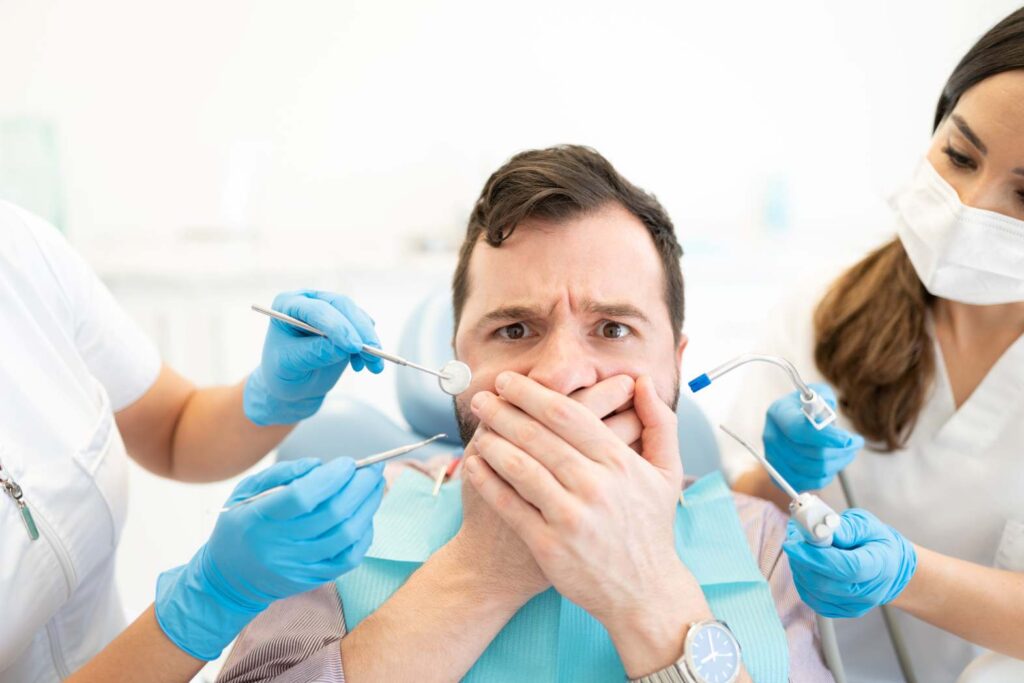
Being honest about risks helps you make a calm, informed choice.
- A thin layer of enamel is usually removed, and this change is generally irreversible.
- Teeth may feel temporarily sensitive to hot or cold after preparation.
- Veneers can chip, fracture, or debond and may eventually need repair or replacement.
- Healthy gums and careful cleaning are essential to keep the margins looking good.
- Night-time grinding or clenching can shorten veneer lifespan if not protected with a nightguard.
- Over many years, the underlying tooth or gum line may change, affecting the appearance.
Not every smile is suitable for veneers. Some patients may need orthodontics, whitening, bonding, or crowns first—or instead of veneers. Veneers do not treat gum disease or decay; those issues must be treated before cosmetic work.
How Long Do Dental Veneers Last?
We prefer to talk in ranges rather than promises.
- Porcelain veneers: Many last around 10–15 years or more with good care, with high survival rates reported in long-term studies.
- Composite veneers: Often require more maintenance, with typical lifespans around 3–7 years, though some last longer when well maintained and placed in lower-stress situations.
Factors that influence lifespan include:
- The way your teeth meet, known as your bite
- Whether you grind, clench, or chew on pens or nails
- Your brushing and flossing habits
- Diet, such as very hard foods or frequent acidic drinks
- Regular professional maintenance and check-ups
Aftercare and Maintenance

Looking after veneers is very similar to caring for natural teeth:
- Brush twice daily with a soft toothbrush and fluoride toothpaste.
- Clean between teeth daily using floss or interdental brushes.
- Avoid biting directly on hard items like ice, hard sweets, and pen lids.
- Consider a nightguard if you grind or clench at night.
- Attend regular check-ups and professional cleans so we can spot early wear or issues before they become bigger problems.
We will give you tailored advice after treatment based on your veneers and habits.
When Should I See the Dentist?
You don’t need to wait for a “perfect” moment to seek help. It may be time to book a smile assessment if:
- You feel self-conscious about chipped, stained, or uneven front teeth
- Teeth whitening has not given you the result you hoped for
- You avoid smiling in photos or cover your mouth when laughing or speaking
- You’ve been told you might be a candidate for veneers and want a second opinion
- You are simply curious whether dental veneers or other cosmetic options could help
A consultation is about understanding your options, not pressuring you into treatment. We will always discuss alternatives and give you space to think.
Cost of Dental Veneers
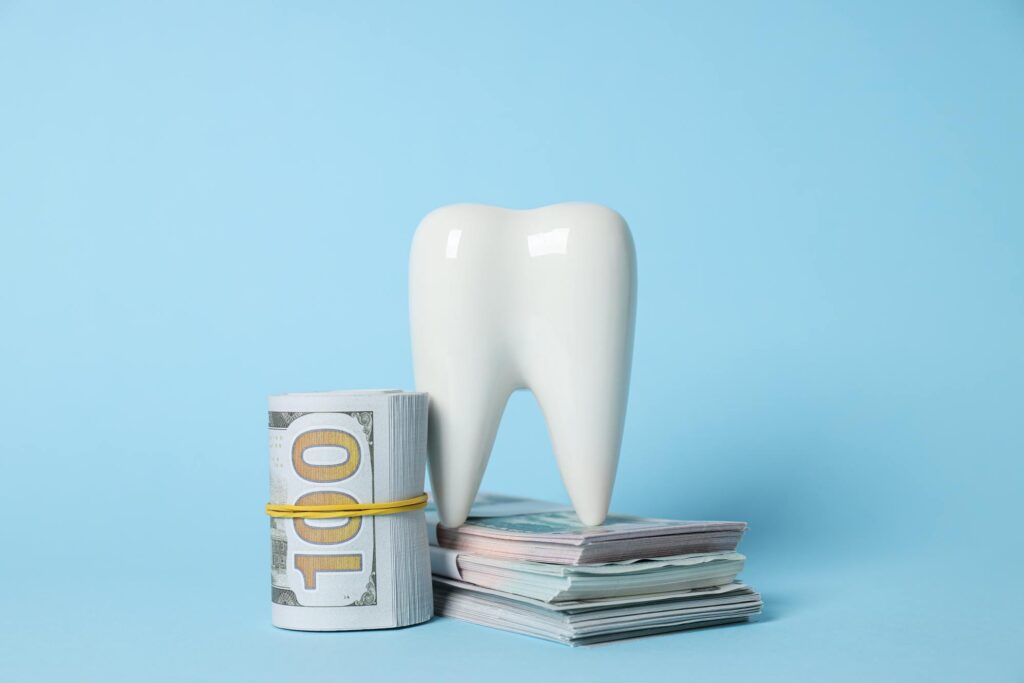
We understand cost is an important part of your decision.
The price of dental veneers usually depends on:
- The material, porcelain versus composite
- How many teeth are being treated
- The complexity of your case and your bite
- Any preliminary treatments, such as gum contouring, fillings, or whitening
- The dental lab and materials used
Where local regulations allow, many clinics provide a per-tooth price range for guidance, then confirm an exact figure after an examination and planning. Veneers are often considered a cosmetic treatment, so they may not be covered by insurance, although some plans may contribute if there is a functional reason.
If veneers seem suitable, we can also discuss:
- Payment options
- Phased treatment, such as treating key teeth first
- Combining veneers with more affordable treatments like whitening or bonding
Alternatives to Veneers
We are not here to push one solution. Depending on your goals, alternatives may include:
- Professional teeth whitening, when your main concern is colour and your enamel responds well
- Orthodontics, such as clear aligners or braces, for crowding, rotations, or bite issues that veneers cannot safely mask
- Cosmetic bonding, where small chips, minor gaps, or shape tweaks are handled with direct composite
- Crowns, for heavily broken down, cracked, or root-treated teeth that need full coverage and extra protection
During your assessment, we will outline the pros and cons of each so you can choose what suits your mouth, timeline, and budget.
Frequently Asked Questions
Book Your Veneer Consultation
If you’re wondering whether dental veneers in Turkey are right for you, the next step is simple: book a relaxed smile assessment. We will look at your teeth together, discuss your concerns, and outline honest options, from whitening and bonding to veneers or other care.
You are not committing to treatment by booking an appointment; you are simply gathering information with a team who will treat you with respect and care.
Book your appointment now.
If you’re ready to explore what might be possible, we’d be happy to meet you, look at your smile together, and talk you through the options at your own pace.