
Hearing that you need a crown can make you nervous. A bulky cap or odd colour often comes to mind. Chewing comfort and cost may worry you as well.
Modern zirconium crowns aim to protect weak teeth and still look like part of your smile. The material is metal-free and tooth-coloured. It usually blends smoothly with neighbouring teeth and supports everyday chewing.
What are zirconium crowns?
A zirconium crown is a custom-made cover that fits over a damaged tooth. It restores shape, adds strength and improves appearance in one step. The core material, zirconium dioxide (zirconia), belongs to a strong and stable ceramic family.
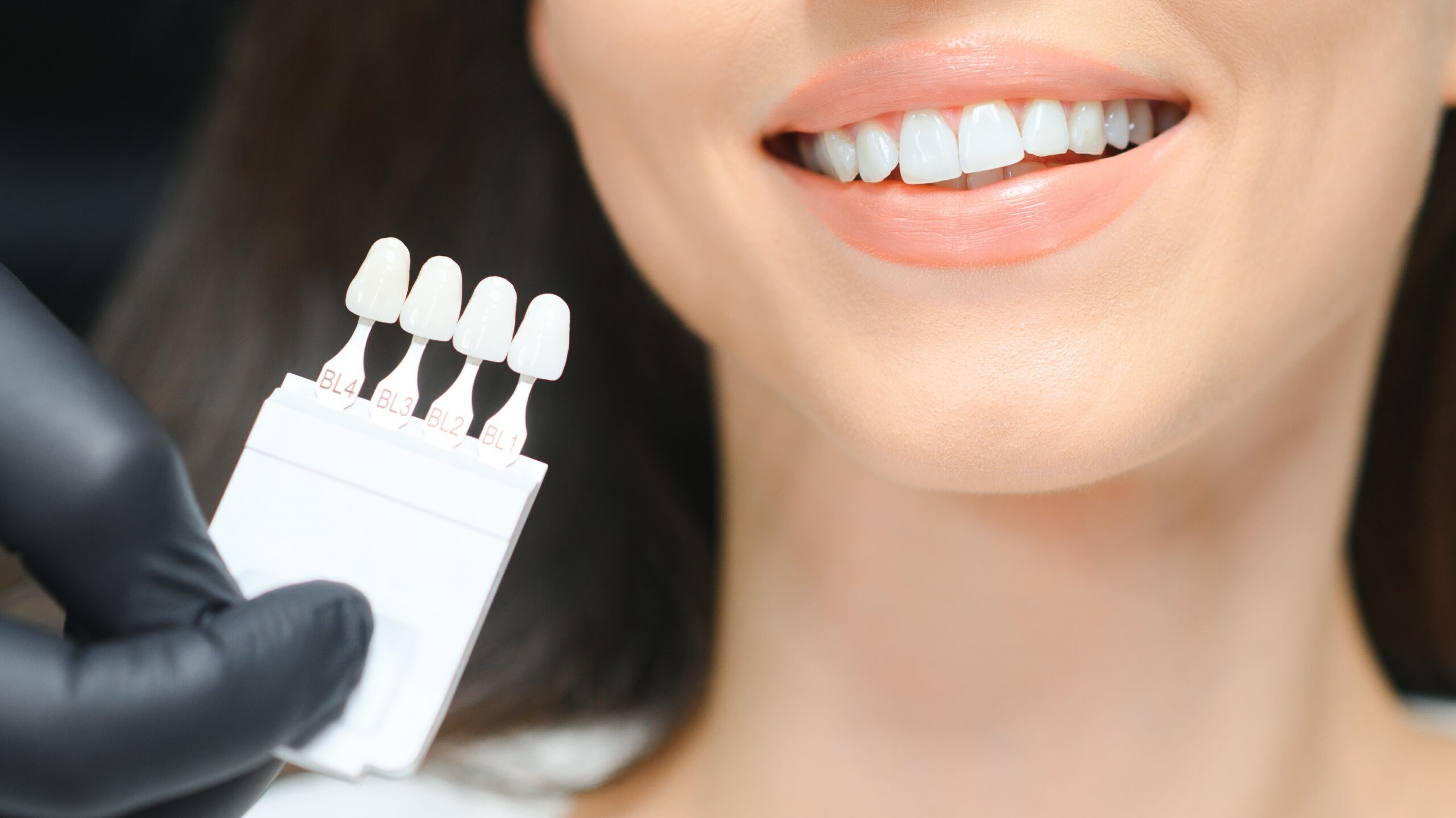
Fully ceramic, metal-free design means the crown can match your natural tooth shade closely. Around the gum line, most people see a soft transition without dark edges. Many patients choose zirconium crowns when they want both durability and a discreet look.
Who might benefit from zirconium crowns?
Dentists often suggest zirconium crowns when a tooth has lost too much structure for a simple filling. Large, failing fillings are a common reason. Cracks that hurt when you bite are another. Teeth that had root canal treatment often also need this extra support.
Old crowns that show metal or do not match the rest of your teeth can sometimes be replaced with zirconium. The material works well for many back teeth that carry heavy chewing forces. Carefully chosen zirconia types can also suit visible front teeth.
People who grind or clench their teeth may benefit from zirconia’s high strength. In these cases, a dentist may also advise a night guard to protect both crowns and natural enamel.
Zirconium crowns vs other crown types
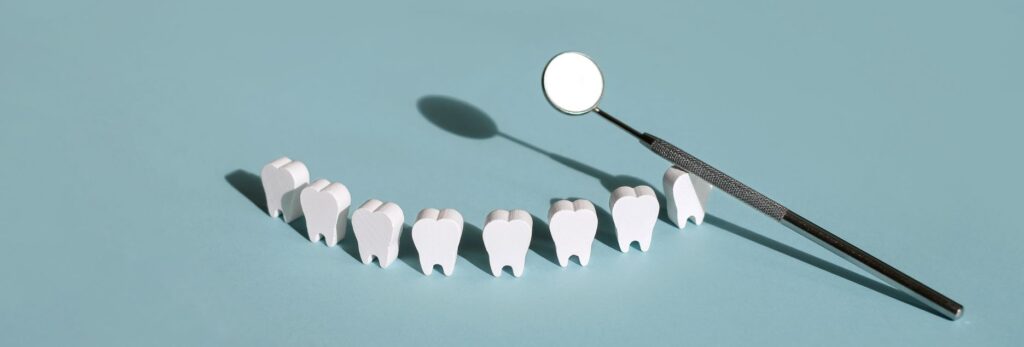
Planning does not stop at the question “Does this tooth need a crown?”. Dentists also decide which crown material fits your mouth and goals.
Metal–ceramic crowns have a metal base with porcelain on top. They offer long-term strength, yet gum recession can reveal a grey line. Glass-ceramic crowns, such as lithium disilicate, look very natural and often suit front teeth. However, they may not be ideal for every strong bite. Full metal crowns cope well with heavy forces but do not match tooth colour.
Zirconium crowns sit somewhere between these choices. They are tooth-coloured and metal-free, yet still cope well with chewing forces. Different zirconia versions allow more strength or more translucency, depending on where the crown sits.
Think of a heavily filled molar for one example. Zirconium often works well here, especially if you clench at night. A single front tooth in a very visible smile line may need a more translucent ceramic or a layered zirconia crown. Your dentist weighs these details before advising you.
Your zirconium crown journey
Most people need two treatment visits after the first assessment. The assessment visit focuses on understanding your problem. You explain your pain, sensitivity, or cosmetic concern. The dentist examines teeth and gums and may take x-rays or digital scans. After that, you hear whether a crown makes sense and if zirconium suits your case.
During the preparation visit, local anaesthetic helps keep you comfortable. The dentist gently reshapes the tooth to create room for the crown. The aim is to keep as much healthy tooth as possible while still allowing a strong fit. A digital scan or impression then records tooth details and your bite. A dental laboratory uses this information to design and mill the zirconium crown.
Before you leave, a temporary crown usually covers and protects the tooth. At the fitting visit, you try in the final zirconium crown. The dentist checks the fit, the contact areas and how your teeth meet. Once everything looks and feels right, the crown is bonded or cemented in place. You leave that day with a reinforced tooth you can use immediately.
When should I see the dentist?
Certain changes suggest that you should not wait. Book a visit if you notice:
- sharp pain or pressure when biting on one tooth
- a visible crack or a broken section of a large filling
- an old crown that feels loose or shows a dark edge
- swelling, soreness or a bad taste around a crowned tooth
Pain that comes and goes can still signal a weak or cracked tooth. Early assessment often allows simpler treatment and a better long-term outlook. After examination, the dentist may confirm that you do not need a zirconium crown and suggest another option. Clear explanation should always come before any decision.
Risks and limitations of zirconium crowns
Zirconium crowns bring many benefits, but no dental treatment is risk-free. Hard ceramics can still chip or fracture under extreme force. Chewing ice, biting very hard sweets or leaving severe grinding untreated will increase this risk.
Gums also change with time. Natural recession can expose the edges of any crown, no matter which material you choose. Because zirconia is very hard, a rough or poorly adjusted surface might slowly wear the tooth that bites against it. Dentists reduce this risk by polishing carefully, balancing the bite and sometimes recommending a night guard.
These crowns often sit in the mid-to-high price range compared with other types. Short teeth, active gum disease or very deep decay can limit what is safe. In some cases, another restoration, an implant or a bridge may offer a better path. A responsible dentist will tell you when zirconium crowns are not the best choice.
Reactions to zirconia appear rare, yet any material can trigger sensitivity for a few people. Your medical and dental history should always be checked before treatment.
Aftercare and longevity
Good daily care and regular checks help zirconium crowns last many years. There is no fixed lifespan. Outcomes depend on hygiene, diet, bite forces and overall health.
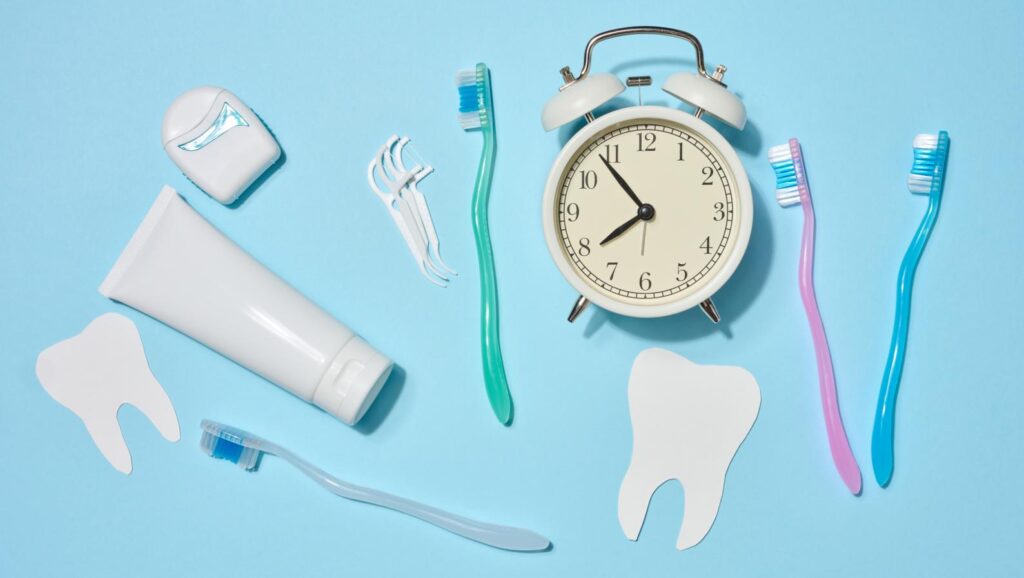
Caring for a crowned tooth is simple. Brush twice a day with fluoride toothpaste and a soft brush. Clean between teeth daily with floss or interdental brushes. Avoid using your teeth to open packets or crush very hard foods. If your dentist supplies a night guard, wearing it as advised lowers stress on crowns and natural enamel.
A zirconium crown protects most of the visible tooth but not the gum line itself. Plaque can still build up around the margin and cause problems. Routine professional cleaning and examinations let the dentist monitor the crown, the gums and your bite. Small issues usually prove easier to treat when found early.
For broader advice on living with any type of crown, you can read this general patient information on wearing a crown from the American Dental Association.
FAQ – zirconium crowns
Book your zirconium crown consultation
Worried about a cracked tooth, a failing crown or a weak, heavily filled tooth? Zirconium crowns may offer the strength and natural appearance you are looking for.
A consultation gives you a clear picture of your options. The dentist examines your teeth and gums, explains whether a zirconium crown suits your situation, compares alternatives and answers your questions. You can then decide on treatment with confidence.