Last updated: 12, January 2026
Thinking about a Hollywood smile often comes with two feelings at once. You can picture a brighter, more confident smile in photos, but you might also worry about regret, sensitivity, “Turkey teeth” stories, or whether you could damage healthy teeth for a cosmetic result.
This guide walks you calmly through the real risks and limitations of a Hollywood smile, what makes them more or less likely, and how to reduce them with better planning and safer choices. This is general information only and cannot replace a dental exam, X-rays/scans, and a personalised plan with a licensed dentist.
What a “Hollywood smile” usually means
A Hollywood smile is a marketing phrase, not a diagnosis. In real dentistry, it usually means a smile makeover focused on:
- Colour (brighter, more even shade)
- Shape (smoother edges, better proportions)
- Alignment (straighter appearance, fewer gaps)
- Symmetry (left and right looking more balanced)
Some people can get a big improvement with whitening and small composite bonding. Others need a combination of aligners + veneers, or crowns/implants if teeth are weak, heavily filled, broken, or missing.
That is why “Hollywood smile risks” can mean very different things. The risks depend on what you actually choose, and how conservative the plan is.
The biggest limitation: it is not one procedure
The biggest limitation is simple: the more dramatic the change, the more irreversible the dentistry tends to be.
- Whitening is usually the most conservative starting point.
- Bonding is conservative and repairable, but needs maintenance.
- Veneers can be conservative, but often involve enamel reshaping, which is permanent.
- Crowns are more invasive than veneers because they cover the whole tooth and usually require more reduction of healthy tooth structure.
A safe smile makeover starts with diagnosis (gums, decay, bite), then chooses the least invasive tools that can realistically deliver your goal.
The core risks to understand before you start
1) Irreversibility
Once enamel is removed for veneers or crowns, you cannot “go back” to your original tooth. Even minimal preparation is still permanent.
2) Sensitivity and nerve irritation
Sensitivity can happen after whitening, after tooth preparation, or after bonding/cementation. With whitening, temporary tooth sensitivity and gum inflammation are the most common adverse effects.
3) Chipping, cracking, or debonding
Veneers and bonding can chip, and veneers can debond. A major systematic review found a 10-year estimated cumulative survival rate for porcelain laminate veneers of 95.5%, with fracture and debonding highlighted as key complications.
This is reassuring, but it also means veneers are not “forever”, and failures do happen.
4) Gum irritation and hygiene challenges
If restorations are bulky, poorly contoured, or sit too close to the gums, cleaning becomes harder. That can lead to inflammation, bleeding, and long-term gum problems.
5) Bite problems (the hidden risk)
A smile can look beautiful but feel wrong. If the bite is not planned carefully, you may develop:
- uneven pressure on certain teeth
- jaw muscle fatigue
- chipping, especially if you grind or clench
Parafunction (like bruxism) is specifically discussed as a factor that can influence veneer survival.
6) Maintenance and replacement costs
Even when everything is done well, cosmetic work needs upkeep. Whitening needs top-ups. Bonding needs polishing and occasional repairs. Veneers and crowns may need replacement later.
Risks by treatment type
A “Hollywood smile” is usually made with one or more of these treatments. Each one can look amazing, but each one has a “catch”. Here is the catch in plain words.
Teeth whitening

What it does: Makes your real teeth look whiter.
What can go wrong (in simple words):
- Whitening only works on real teeth. If you have a filling, crown, veneer, or bonding in the front, that part will not change color. So you can end up with different shades.
- Your teeth can feel sensitive for a few days (cold drinks hurt).
- Your gums can feel burned or sore if the gel touches them.
Why it happens:
Whitening is a strong chemical. Used the right way, it is usually fine. Used too much, too often, or too strong, it irritates teeth and gums.
How to do it safely:
Do whitening after a dental check, use proper trays, and do not keep repeating whitening every week like it is skincare.
Composite bonding
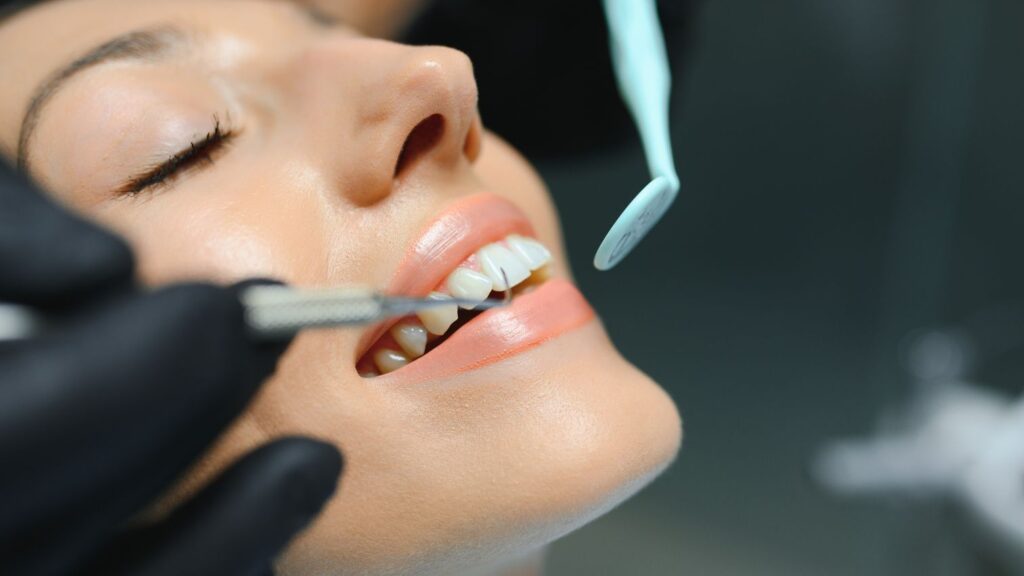
What it does: Adds tooth-colored material to fix small problems like gaps, chips, uneven edges.
Good thing about bonding: It is usually the most gentle option because it often needs little or no drilling.
What can go wrong:
Bonding can stain from coffee, tea, or smoking. Strong biting or grinding can lead to chips. With time, the surface may look less shiny.
Simple truth:
Bonding is beautiful, but it is like a nice white shirt. It needs care and sometimes a refresh.
How to keep it looking nice:
Keep changes small and natural, do not use teeth like tools, and expect small touch-ups in the future.
Porcelain veneers

What it does: A thin porcelain “cover” placed on the front of the tooth to change color and shape.
Why people love veneers:
They can look very natural and usually stay nicer looking longer than bonding.
The big limitation (very important):
In many cases, the dentist must remove a bit of tooth enamel first. That means it is permanent.
Once you do veneers, you cannot “undo it” and go back to your old tooth.
What can go wrong:
- Some people get sensitivity after the teeth are prepared.
- Veneers can chip or pop off, especially if you grind your teeth.
- If the shape is too bulky or not cleaned well, gums can get inflamed.
How to make veneers safer:
Do a mock-up first (preview the smile), choose conservative prep, and if you grind your teeth, wear a night guard so you do not break them.
Crowns
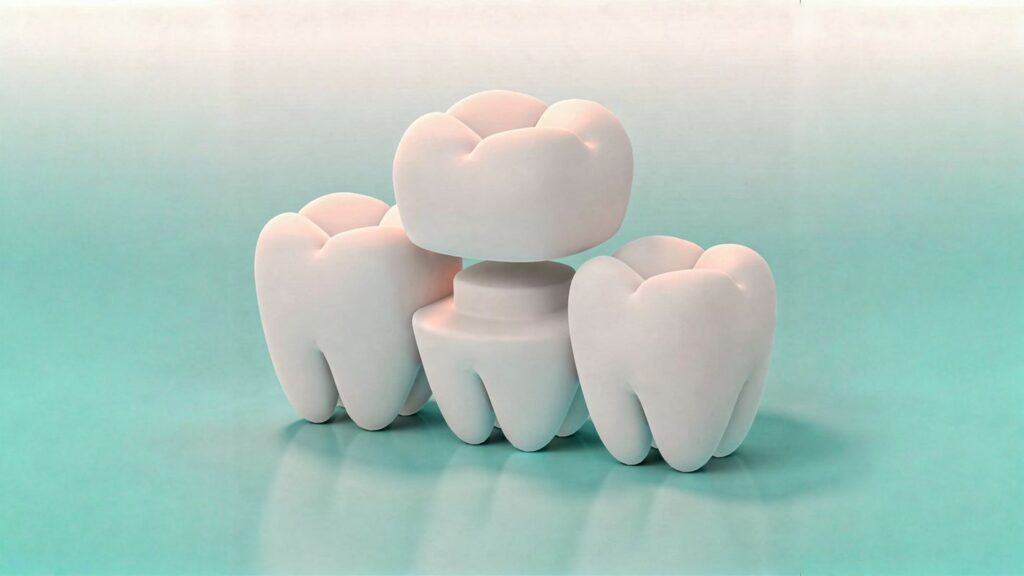
What it does: A crown covers the whole tooth, not just the front.
When crowns are a good idea:
If a tooth is weak, cracked, has a huge filling, had root canal, or is already broken, crowns can be the right choice.
The problem when crowns are used only for cosmetics:
Crowns usually need more drilling than veneers because they wrap around the whole tooth. So if your teeth are healthy, crowns can be “too much treatment”.
What can go wrong:
- More drilling can mean more chance of future sensitivity or nerve problems.
- If the crown edge is not perfect, gums can stay red and irritated.
- If the bite is not adjusted well, you can feel discomfort, or you can chip other teeth.
How to avoid crown mistakes:
Only crown teeth that truly need crowns, and ask clearly: “Why crown, not veneer for this tooth?”
Gum contouring
Gum contouring can refine a gummy smile or uneven gum lines, but limits include:
- it depends on your gum anatomy and bone levels
- healing time matters
- if gum disease is present, contouring is not the first step
How to reduce risk:
- Treat inflammation and bleeding first.
- Make sure the plan respects biological width and periodontal health.
Dental tourism and “package” risks: how to protect yourself

Travelling for cosmetic dentistry can work out well, but it adds a specific risk: aftercare and accountability.
The British Dental Association warns that dental tourism is rising and reports that 95% of dentists have examined patients who travelled abroad for treatment, and 86% have treated cases with complications. (British Dental Assocation)
If you are considering an overseas package, protect yourself with these steps:
- Get an itemised plan in writing (which teeth, veneers vs crowns, materials, brand, warranty terms).
- Ask how many visits, how many days, and what happens if you need adjustments after you fly home.
- Avoid “rush dentistry” where multiple teeth are prepared in a single session without full bite planning.
- Make sure you understand the consent form and can communicate clearly.
How to reduce Hollywood smile risks: a practical checklist
Bring this checklist to your consultation:
- Diagnosis first: gum exam, decay check, bite evaluation, and appropriate X-rays/scans.
- Start conservative: ask what improvement is possible with whitening, polishing, and bonding before drilling.
- Preview the result: mock-up or digital smile design, and confirm tooth length and shade.
- Ask about tooth reduction: exactly how much, and whether any teeth can be no-prep or minimal-prep.
- Plan for your bite: especially if you grind or have worn edges.
- Material clarity: porcelain type, lab quality, and why that material suits your case.
- Margin and gum plan: how the restorations will be shaped so you can clean well.
- Maintenance plan: nightguard if needed, hygiene visits, polishing schedule, and what repairs cost.
When should I see the dentist?

Book a consultation if:
- you want a Hollywood smile but worry about damaging healthy teeth
- sensitivity, worn edges, or night grinding are already a problem
- older veneers or crowns look uneven, or they just do not feel comfortable
- you are comparing local care with an overseas package and want a second opinion
FAQs about Hollywood smile risks
Gentle closing and next steps
Wanting a brighter, more even smile is not “vain.” For many people it is tied to confidence, social comfort, and how they show up in daily life.
The calm, safest way forward is to treat this as a step-by-step plan. Start with a proper exam, ask for a conservative option first, and only move to veneers or crowns when the benefits truly justify the trade-offs.
If you are exploring a Hollywood smile and want to understand your options, risks, and what a conservative plan could look like, you can start with our Hollywood Smile guide, then bring your questions to a dentist you trust.
Have questions about a Hollywood Smile?
Enter your phone number and we’ll call to answer general questions and explain your options.
Sources
- American Dental Association (ADA), whitening overview and adverse effects (ADA)
- Cochrane review on home-based tooth bleaching (sensitivity and oral irritation common, usually mild and transient) (Cochrane)
- Systematic review on porcelain laminate veneer survival and complications (10-year CSR 95.5%, fracture and debonding highlighted) (MDPI)
- British Dental Association (BDA) guidance and reported complication experience related to dental tourism (British Dental Assocation)