Searching for the cost of a Hollywood smile can feel confusing fast. One clinic shows a low package price, another quotes several times more, and it is hard to tell whether they are even talking about the same treatment. That is why so many patients worry about overpaying, worry about veneers and long-term risks, and wonder whether they even need a full smile makeover at all.
By the HollywoodSmiles.net Team | Updated April 30, 2026
- How much does a Hollywood smile cost worldwide?
- What does a Hollywood smile actually include?
- Hollywood smile cost worldwide: global overview
- Risks and trade-offs patients should know
- How to compare quotes from clinics in different countries
- When a cheaper Hollywood smile is a bad idea
- Is dental tourism worth it?
- FAQ
- The bottom line
How much does a Hollywood smile cost worldwide?
There is no single global price for a Hollywood smile. In many countries, veneers are quoted per tooth, so the total can change dramatically depending on whether you treat 4, 8, 10, or 20 teeth. The final cost usually depends on the country, material, lab quality, number of teeth, diagnostics, temporaries, and whether you need extra work first such as fillings, gum treatment, aligners, crowns, or implants. Some patients do not need veneers at all and may get the result they want with whitening, bonding, or orthodontics first.
What does a Hollywood smile actually include?
A Hollywood smile is not one specific treatment. It is a cosmetic result: brighter, more even, more symmetrical teeth. The way dentists create that result can vary from one person to another.
Some patients only need whitening or bonding. Others may need veneers, aligners, crowns, or implants. That is why veneers are not always the right starting point, especially if crowding, bite problems, decay, or gum disease need attention first.
Hollywood smile cost worldwide: global overview
Worldwide, prices vary because local dental lab costs, clinician experience, city overhead, material choice, and case complexity all vary. A premium ceramic smile design done in a major city with detailed diagnostics and temporaries is simply not the same product as a budget quote that only lists “veneers” without explaining material or follow-up.
Cheap quotes can also be misleading because some clinics exclude scans, mock-ups, temporaries, night guards, or aftercare. For that reason, broad price ranges are useful for planning, but they should never replace a written treatment plan that explains exactly what is included.
| Country | Veneer price per tooth | Typical smile makeover range |
| USA | $900–$2,500 | $9,000–$25,000 |
| UK | £800–£1,500 | £2,000–£12,000 |
| Germany | €800–€1,500 | €3,000–€20,000+ |
| Turkey | €175–€500 | €3,000–€8,000 |
| Morocco | 2,500–8,000 MAD | 12,000–50,000 MAD |
| Algeria | €200–€400 | €1,600–€4,000 |
| Russia | 25,000–50,000 RUB | 200,000–500,000 RUB |
| Ukraine | $200–$400 | $1,500–$3,000 |
These are planning ranges pulled from recent 2026 country guides and clinic price pages, not fixed national tariffs. They also mix different case types: some refer to 6 to 10 veneer smile-zone cases, while others refer to broader smile-makeover packages.
Hollywood smile cost by country or region
Turkey
Turkey remains one of the most searched lower-cost destinations for smile makeovers. Recent 2026 guides put porcelain or ceramic veneers roughly around €175 to €350 per tooth in many quotes, with broader veneer ranges sometimes extending to about €500 per tooth depending on material and clinic tier, while many Hollywood smile package discussions land around €3,000 to €8,000. What makes Turkey look affordable is not one magic material, but lower operating costs, higher patient volume, and bundled offers that may include hotel or transfers. For a fuller breakdown, see our Turkey Hollywood smile cost page.
USA
The United States is one of the most expensive mainstream markets for veneers. Recent 2026 U.S. guides commonly place porcelain veneers around $900 to $2,500 per tooth, with 6 to 10 veneer smile transformations often reaching roughly $9,000 to $25,000 or more. U.S. pricing rises with specialist cosmetic practices, premium ceramics, city overhead, and separate charges for diagnostics, temporaries, or bite appliances. You can explore current ranges in our Hollywood smile cost in USA guide.
UK
In the UK, private porcelain veneers commonly sit around £800 to £1,500 per tooth, while broader smile makeover pages may show anything from modest composite-led cases to five-figure veneer plans. A major difference in the UK is that cosmetic dentistry is usually private: NHS guidance says veneers are generally private unless there is a clinical need, and teeth whitening is also private. You can explore current pricing in our UK Hollywood smile cost guide.
Germany
Germany is usually priced toward the upper end of the European market. Current 2026 German pricing guides commonly place ceramic veneers around €800 to €1,500 per tooth, while broader Hollywood smile pricing suggests moderate cases may start around €3,000 and more complex, high-end treatment plans can run well into five figures. Higher lab standards, clinician time, and big-city operating costs all contribute to the gap. You can explore current pricing in our Germany Hollywood smile cost guide.
Morocco
Morocco can be far more affordable than the UK, Germany, or the U.S., although the pricing range remains wide. A recent 2026 Morocco guide lists composite veneers at around 800 to 1,500 MAD per tooth, ceramic veneers at roughly 2,500 to 8,000 MAD per tooth, teeth whitening at about 1,500 to 4,000 MAD, and total smile makeover examples ranging from around 12,000 to 50,000 MAD. Final costs vary by clinic tier, city, and whether your treatment plan also includes aligners, gum treatment, or implants. For local price ranges in MAD and treatment examples, read our Morocco Hollywood smile cost guide.
Algeria
In Algeria, recent 2026 guides show whitening commonly around €100 to €200, ceramic veneers around €200 to €400 per tooth, and 8 to 10 veneer smile-zone totals around €1,600 to €4,000. That makes Algeria look relatively affordable on paper, but quotes still change based on city, clinic level, bite risk, and whether you need crowns, implants, or aligners instead of veneers. We cover those cost factors in more detail on our Algeria Hollywood smile cost page.
Russia
Russia sits in a middle zone where prices can still be lower than the U.S. or parts of Western Europe, but not necessarily “cheap” once you move into larger-city ceramic work. One recent 2026 guide places professional whitening around 15,000 to 50,000+ RUB, composite veneers around 5,900 to 44,600 RUB per tooth, ceramic veneers around 25,000 to 50,000 RUB per tooth, and 8 to 10 ceramic veneers around 200,000 to 500,000 RUB. For a closer look at local price ranges, visit our Russia Hollywood smile cost page.
Ukraine
Ukraine is often positioned as a lower-cost veneer destination. Recent 2026 sources place veneers around $200 to $400 per tooth, with Hollywood smile packages often discussed around $1,500 to $3,000 depending on the number of teeth, material, and clinic. One reason Ukraine can look competitive is that some clinics bundle consultation, digital smile design, temporaries, and follow-up into the package rather than quoting only the veneer itself. We explore those pricing differences in our Ukraine Hollywood smile cost guide.
Other popular destinations
Beyond the markets above, patients in 2026 also frequently compare Mexico, Hungary, Thailand, Vietnam, and South Korea when researching veneers abroad. These destinations continue to appear in dental tourism comparisons because they combine lower or mid-range pricing with active international patient outreach. Even so, the right option depends not just on cost, but also on travel distance, aftercare access, and how clearly the clinic documents the full treatment plan.
What really changes the final cost?
Number of teeth treated
This is the biggest cost driver. Because veneers are usually priced per tooth, a six-tooth plan and a twenty-tooth plan are not remotely the same budget. Even in the same clinic, the total can jump quickly depending on how wide your smile line is and whether you are treating only upper teeth or both arches.
Composite vs porcelain vs zirconia
Composite usually costs less upfront, but it tends to stain and wear sooner. Porcelain or ceramic usually costs more because of lab work, but it is often chosen for better translucency, stain resistance, and longer service life. Zirconia can make sense when more strength is needed, especially when the tooth is already compromised.
Lab quality and smile design
A cheap veneer is not just a cheap material. It can also mean weaker planning, weaker technician input, and weaker fit. Multiple recent country guides point out that digital smile design, mock-ups, photography, and premium lab work raise the price but often improve predictability and reduce unpleasant surprises.
Gum treatment or fillings first
If there is decay, gum disease, inflammation, or old failing dental work, cosmetic treatment may need to wait. Cleveland Clinic specifically notes that veneers are not the starting point when serious oral health issues are still present.
Aligners before veneers
Some patients need straighter tooth positions before they need prettier tooth surfaces. Aligners are planned as a full orthodontic treatment, not a per-tooth cosmetic fee, and the AAO notes that treatment time and suitability vary by case. In the right patient, straightening first can reduce how aggressive veneers need to be later.
Crowns or implants for damaged or missing teeth
Veneers are for the front surface of a tooth. Crowns cover the whole tooth and are used when more strength or protection is needed, while implants replace missing teeth and add surgery, healing time, and restorative steps. That is why a “Hollywood smile” with missing, broken, or root-canal-treated teeth can cost far more than a veneer-only case.
Dentist experience and clinic location
A cosmetic dentist in a premium city clinic using a strong lab partner will usually charge more than a general clinic in a lower-overhead market. That does not automatically mean expensive is best, but it does mean location and clinician tier matter.
Bite problems and bruxism
Heavy bite forces, clenching, and grinding can raise the risk of fractures, debonding, and other restoration failures. Recent research and reviews continue to flag bruxism as an important risk factor for restoration failure, which is why careful bite assessment and a night guard often matter just as much as the veneer material itself.
Alternatives to a full veneer makeover
A better smile does not always require a full set of veneers. For many patients, a simpler treatment solves the real problem, whether that problem is color, shape, alignment, or a missing tooth.
Whitening
Whitening often works best when the teeth are healthy and the main concern is color. Dentists usually price it by session rather than by tooth, so it costs far less than veneers. The main drawback is that the result does not last forever, and whitening does not change crowns, veneers, dentures, or implants.
Composite bonding
Bonding often works well for small chips, narrow gaps, worn edges, or minor shape corrections. Dentists usually charge less for bonding than for porcelain, and the treatment preserves more natural tooth structure. The trade-off is that bonding can stain and wear faster over time, so it suits modest improvements better than a full smile redesign.
Porcelain veneers
Dentists usually recommend veneers when a patient wants a bigger change in color, shape, and symmetry across the front teeth. Clinics commonly price them per tooth, and the total often includes lab work, preparation, temporaries, and smile design. Veneers can create a dramatic result, but they demand a bigger commitment than whitening or bonding and often require irreversible changes.
Crowns
Crowns make more sense when a tooth is weak, cracked, heavily filled, or structurally damaged. Unlike veneers, crowns cover the whole tooth and provide strength as well as cosmetic improvement. That added protection comes with a downside: crowns usually require more tooth reduction.
Clear aligners
When crowding, spacing, or bite position causes the problem, clear aligners may offer the better first step. They can improve the smile without covering healthy teeth, and in some cases they reduce the need for veneers later. The downside is that treatment takes longer and does not suit every case.
Implants
When a tooth is missing, veneers will not solve the problem. Implants replace missing teeth, so they belong in a different category from purely cosmetic treatments. They take more time and cost more because the process includes surgery, healing, and a final restoration, but they remain the proper option when a tooth is actually gone.
The key point is simple:
the best cosmetic plan depends on what needs correction. Some patients need veneers, but many get a better and more conservative result from a different treatment.
Risks and trade-offs patients should know
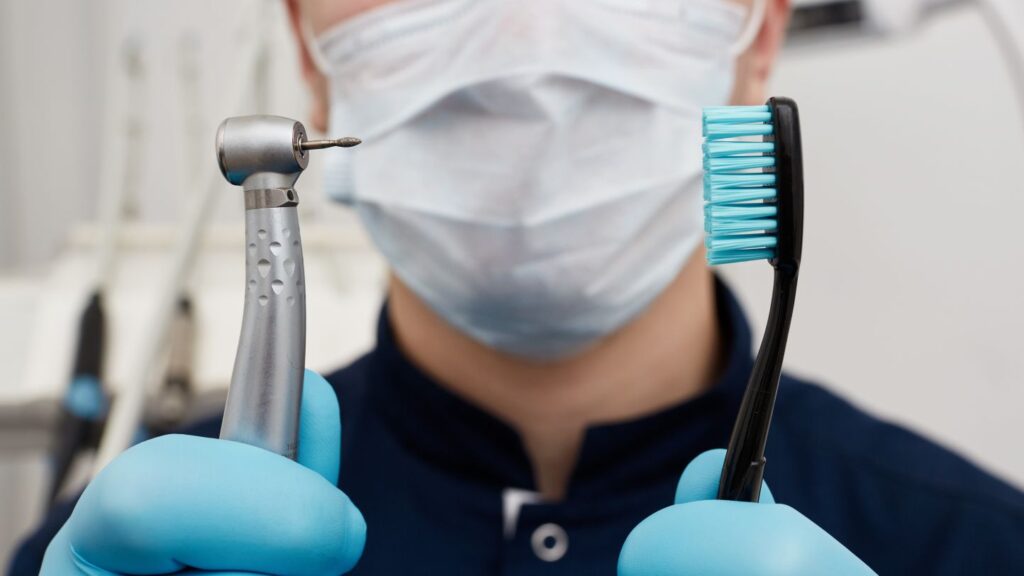
Veneers can look excellent, but they are not risk-free.
Irreversible in many cases
Veneer treatment often involves removing some natural enamel, so the decision may not be fully reversible.
Sensitivity can happen
Some patients notice more sensitivity to hot and cold after treatment.
They do not last forever
Veneers can chip, loosen, or need replacement over time. A typical lifespan is often around 10 to 15 years with proper care.
Bruxism increases the risk
Grinding and clenching can raise the chance of fracture, debonding, and other restoration problems.
A very cheap quote can be a warning sign
The provider matters as much as the price. If a clinic is vague about credentials, materials, or treatment planning, the real risk may be the quality of care, not just the veneers themselves.
How to compare quotes from clinics in different countries
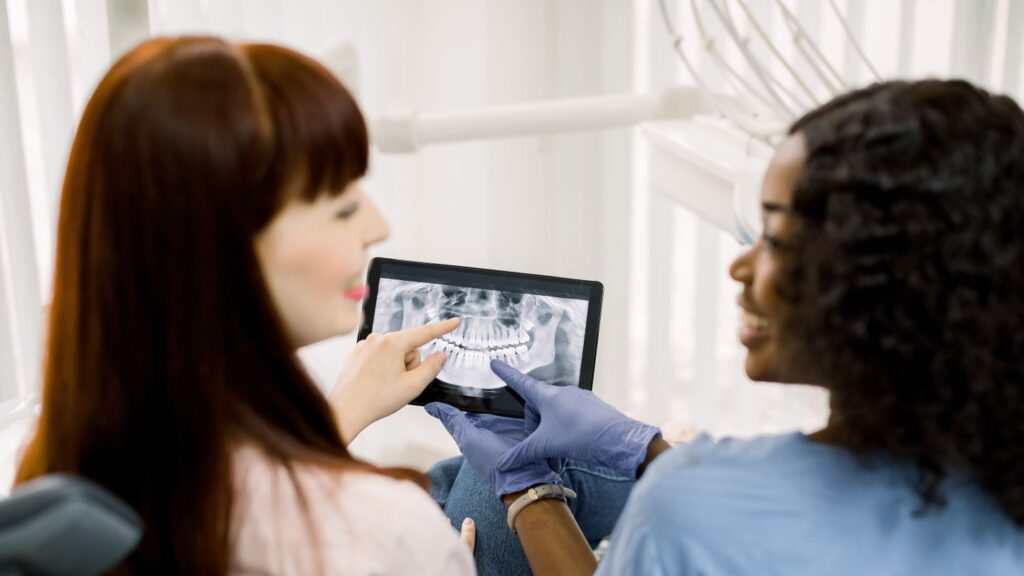
When you compare quotes, ask for one written treatment plan that answers these points clearly:
- Exact number of teeth included
- Exact material for each tooth
- Veneers or crowns, not just “Hollywood smile”
- X-rays, scans, and diagnostics included or extra
- Digital smile design, wax-up, or mock-up included or extra
- Temporaries included or extra
- Gum treatment, fillings, or root canals included or extra
- Night guard included or extra
- Hotel or transfer included only when relevant
- Follow-up visits included or extra
- Warranty terms in writing
- Retreatment policy in writing
- Who handles complications once you go home
The most important comparison is not the headline number. It is whether two clinics are proposing the same treatment at the same quality level with the same aftercare expectations.
When a cheaper Hollywood smile is a bad idea
A low price stops being a bargain when the clinic is vague, rushed, or recommends treatment that does not fit the case.
Common warning signs include:
- very low prices without clear material details
- pressure to crown healthy teeth instead of discussing conservative options
- little or no discussion of bite, clenching, or bruxism
- missing diagnostics or weak treatment planning
- no written breakdown of what the fee includes
- promises of a “same-day full mouth” without careful assessment
- veneer treatment offered by unlicensed providers or social-media sellers
These are not minor concerns. Good veneer treatment depends on proper case selection, enamel preservation, and careful planning. The provider matters as much as the price.
Is dental tourism worth it?
Sometimes yes. In lower-cost markets such as Turkey, Ukraine, Morocco, or Algeria, the treatment itself can be far cheaper than in the U.S., UK, or Germany, especially for multi-tooth veneer cases. That is the main reason dental tourism remains attractive.
But savings on treatment are not the same as savings on total cost. Flights, hotels, time off work, emergency fixes, and the problem of who handles complications after you return home can erase part of the difference. NHS England even has specific policy guidance for patients who later present with acute complications after self-funded dental treatment, including care done privately outside the UK, which shows how real the follow-up issue is.
Dental tourism makes more sense when the clinic is transparent, documentation is strong, aftercare is realistic, and the treatment is worth traveling for. It makes less sense when you are choosing only by the cheapest headline price.
FAQ
The bottom line
A Hollywood smile can cost a few thousand in one country and many times more in another, but that does not mean one clinic is automatically honest and the other is overpriced. The real difference is usually in materials, planning, number of teeth, lab quality, local overhead, and whether the quote includes the things that actually protect the result.
Have questions about a Hollywood Smile?
Enter your phone number and we’ll call to answer general questions and explain your options.
Hollywood smile cost by country