
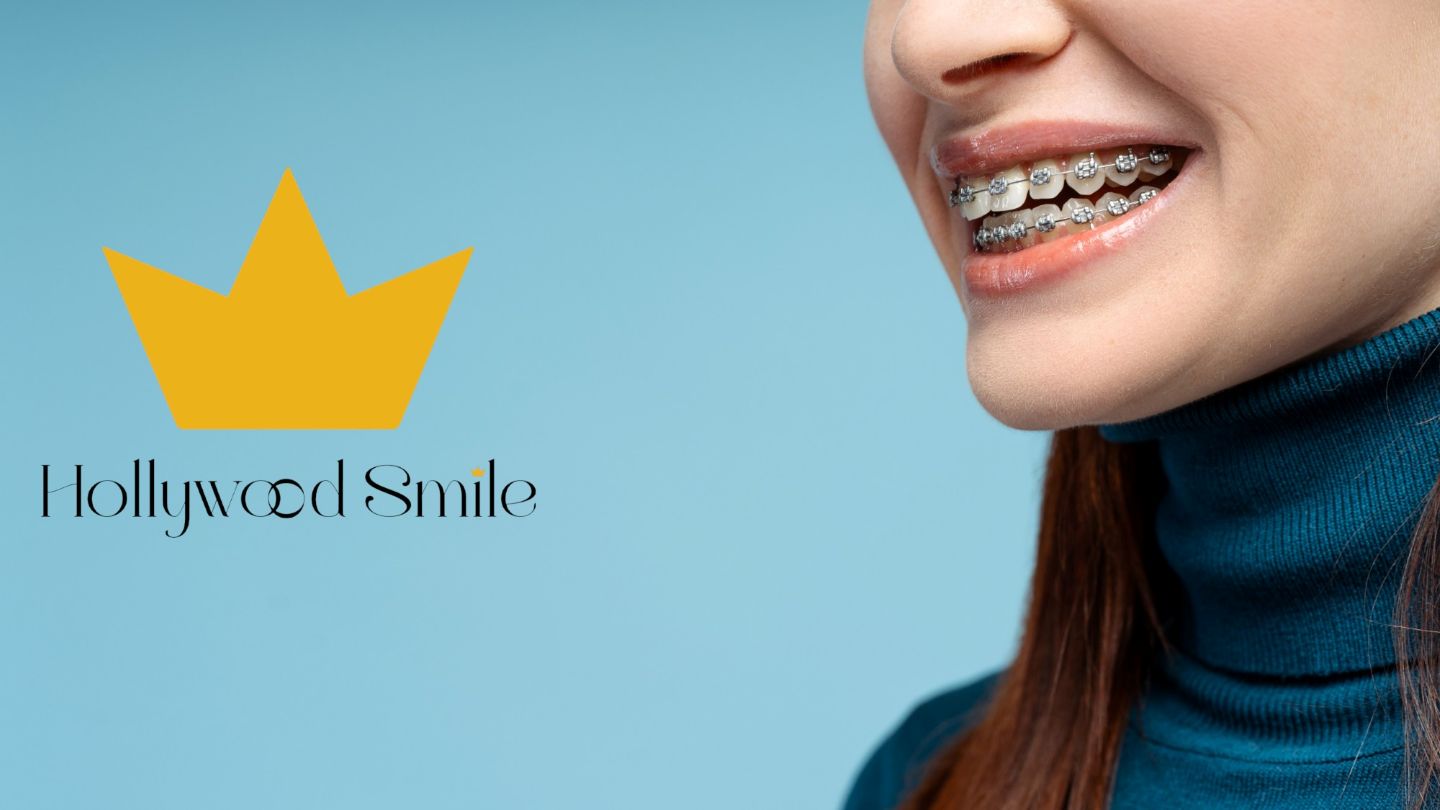
Orthodontics is a dental specialty focused on improving the position of your teeth and the way your bite fits together. While many people think of it as a cosmetic treatment, orthodontic care can also support comfort, chewing, speech, and oral hygiene. Braces, clear aligners, and retainers are some of the most common options. Children, teens, and adults may all benefit, depending on their dental needs and treatment goals.
By the HollywoodSmiles.net Team | Updated April 21, 2026
Quick Answer
Orthodontics treats crooked teeth, spacing problems, and bite issues using tools such as braces, clear aligners, and retainers. In addition to making teeth look straighter, treatment may also improve bite function, comfort, and long-term oral health.
What is orthodontics?
Orthodontics is a branch of dentistry that diagnoses, prevents, and treats teeth and jaw alignment problems. The goal is not only to create a straighter smile, but also to help the teeth meet more evenly and function more efficiently.
When teeth are crowded, too far apart, or out of alignment, that can affect more than appearance. It may also make brushing and flossing harder, increase pressure on certain teeth, and change the way the bite feels over time.
Orthodontic treatment works gradually. By applying gentle, controlled pressure, braces or aligners can move teeth into a healthier position over months or years.
What problems can orthodontics treat?
Orthodontic treatment may be used for a range of alignment and bite concerns.
Crooked or crowded teeth
Crowding happens when there is not enough room in the mouth for all teeth to line up properly. Teeth may overlap, twist, or sit at different angles.
Gaps between teeth
Spaces can form when teeth are too small for the jaw, when teeth are missing, or when the bite develops unevenly.
Overbite
An overbite means the upper front teeth overlap the lower front teeth more than usual.
Underbite
With an underbite, the lower teeth sit in front of the upper teeth. This can affect chewing and facial balance in some cases.
Crossbite
A crossbite happens when some upper teeth bite inside the lower teeth instead of outside them.
Open bite
An open bite means the upper and lower teeth do not touch as expected when the mouth closes. This may affect biting, chewing, and speech.
Midline or jaw alignment concerns
Sometimes the upper and lower arches do not line up evenly. Orthodontic care may help improve that balance.
How does orthodontic treatment work?
Orthodontic treatment moves teeth by applying light pressure over time. That pressure encourages the bone and tissues around the teeth to adapt as the teeth shift into new positions.
Consultation and exam
An orthodontist examines the teeth, bite, and jaw. Digital scans, photos, or X-rays may also be taken.
Treatment planning
A custom plan is created based on the type of problem, age, treatment goals, and expected timeline.
Active treatment
Braces or aligners are used to guide the teeth into better alignment. Progress is checked during follow-up visits.
Retention
Once active treatment ends, retainers are usually used to help keep the teeth in place.
What types of orthodontic treatment are available?
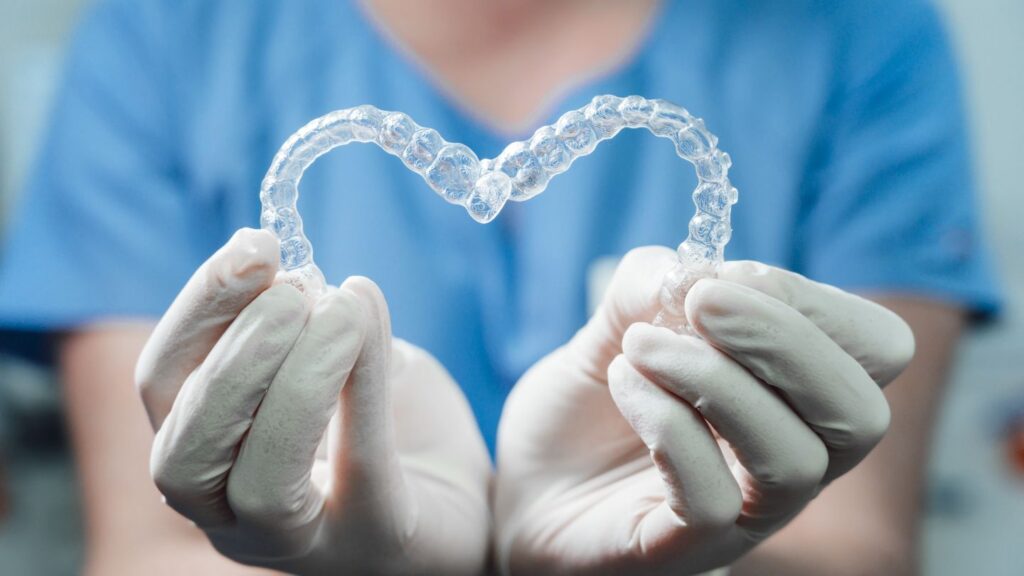
Different orthodontic tools are used depending on the complexity of the case and the patient’s preferences.
Metal braces
Metal braces use brackets and wires to move teeth gradually. They are often effective for moderate to complex cases.
Ceramic braces
Ceramic braces work similarly to metal braces, but the brackets are designed to blend in more with the teeth.
Clear aligners
Clear aligners are removable trays that fit over the teeth. They are often chosen for mild to moderate cases and for patients who want a less visible option.
Lingual braces
Lingual braces are placed on the back side of the teeth, making them less noticeable from the front.
Retainers
Retainers are commonly used after braces or aligners to maintain the result.
Early interceptive orthodontics
Some children benefit from early treatment to guide jaw growth, create space, or reduce the severity of future bite problems.
What are the benefits of orthodontics?

Orthodontics can improve more than smile appearance.
Straighter teeth
One of the most obvious benefits is a more even smile.
Better bite function
Teeth that meet more evenly may feel more comfortable when chewing or speaking.
Easier oral hygiene
Crowded or overlapping teeth can be harder to clean. Better alignment may make brushing and flossing easier.
Reduced uneven wear
When some teeth take more pressure than others, they may wear down faster. A more balanced bite may help reduce that strain.
Improved confidence
For many people, orthodontic treatment can make them feel more comfortable with their smile.
Can orthodontics help create a Hollywood smile?
It can help, but it is usually only part of the picture.
The phrase “Hollywood smile” is often used to describe a very even, bright, polished smile. Orthodontics may help create the foundation for that look by improving alignment, spacing, and bite balance. But orthodontics and a Hollywood smile are not the same thing.
What orthodontics can do
Orthodontic treatment can:
- straighten teeth
- close or manage spaces
- improve bite alignment
- create a more balanced smile line
What a Hollywood smile may also involve
Some people may combine orthodontics with cosmetic dental procedures such as:
Why this matters
If your main goal is straighter teeth, orthodontics may be enough. If your goal is a complete cosmetic makeover, you may need orthodontics plus other aesthetic treatments.
What are the downsides or risks of orthodontic treatment?
Orthodontic treatment is generally safe, but it does have some limitations and inconveniences.
Temporary soreness
It is common to feel pressure or mild discomfort after adjustments or when starting a new aligner tray.
More demanding cleaning
Brackets, wires, and aligners require careful daily cleaning. Poor hygiene during treatment can raise the risk of plaque buildup and gum irritation.
Food restrictions
People with braces may need to avoid hard, sticky, or crunchy foods that could damage the appliance.
Treatment depends on consistency
Aligners work best when worn as directed. If they are removed too often, treatment may take longer or become less effective.
Retainers are usually part of the process
Without retainers, teeth may shift back over time.
Braces vs. clear aligners
Both can be effective, but they suit different needs.
| Treatment | Best for | Visibility | Removable | Main advantage | Main limitation |
| Metal braces | Moderate to complex cases | More visible | No | Strong control over tooth movement | More noticeable |
| Ceramic braces | Patients wanting less visible braces | Less visible | No | Similar function with a softer look | Can still be seen |
| Clear aligners | Mild to moderate cases | Very discreet | Yes | Removable and less noticeable | Requires consistent wear |
When braces may make more sense
Braces are often preferred when tooth movement is more complex or when close control is needed throughout treatment.
When aligners may make more sense
Aligners may be a good fit for people who want a more discreet option and are likely to wear them for the recommended number of hours each day.
How do you know which option may be right for you?
The best treatment depends on more than appearance alone.
Case complexity
Some bite and alignment issues are simple, while others need more detailed control.
Lifestyle
People who want to remove their appliance while eating or brushing may prefer aligners.
Aesthetic goals
If visibility matters, ceramic braces or aligners may feel more appealing.
Budget
Treatment costs vary by case, material, and length of care.
Discipline and follow-through
Because aligners are removable, they depend heavily on patient consistency.
How long does orthodontic treatment take?

Treatment length varies. Some mild cases may take less than a year, while more complex plans may take two years or longer.
The timeline depends on:
- the severity of the problem
- the type of appliance used
- the age of the patient
- how well treatment instructions are followed
- whether retainers are used as advised
How much does orthodontic treatment cost?
In the United States, orthodontic treatment usually costs about $3,000 to $10,000 in total. Traditional braces often range from $2,500 to $6,000, while clear aligners are often around $3,500 to $8,000, depending on how complex the case is and how long treatment lasts. Insurance may help reduce the total, and some plans cover up to $3,000 of orthodontic treatment.
How do you care for braces or aligners?
Daily care is an important part of treatment success.
Caring for braces
Brushing around brackets and wires takes extra attention. Flossing may also require special tools or techniques.
Caring for aligners
Aligners should be cleaned regularly and removed when eating or drinking anything other than water.
Keeping follow-up visits
Routine check-ins help make sure treatment is progressing as planned.
Wearing retainers after treatment
Retainers are often essential for maintaining results once active treatment ends.
When should you see an orthodontist?
You may want to consider an orthodontic evaluation if you notice:
- crowded or crooked teeth
- gaps that bother you cosmetically or functionally
- trouble biting or chewing comfortably
- teeth that do not seem to meet properly
- jaw imbalance or bite changes
- concern about a child’s developing bite
- interest in improving tooth alignment before cosmetic dental work
Orthodontic care is not only for children and teens. Many adults choose treatment later in life.
FAQ
The takeaway
Orthodontics is about more than straight teeth. It can improve bite balance, oral hygiene, comfort, and smile appearance. Braces, aligners, and retainers each have different roles, and the best choice depends on your needs, goals, and level of commitment during treatment. For people interested in a Hollywood smile, orthodontics may be an important first step, but it is often one part of a broader cosmetic plan.