Patients usually compare composite veneers and porcelain veneers for the same reason: they want a better-looking smile, but they do not want to choose the wrong treatment. Both options can improve the color, shape, and symmetry of front teeth, and both can help correct chips, uneven edges, small gaps, and other visible imperfections. But they do not perform the same way over time.
The main difference is not just the material itself. It is how the smile is built, how much preparation may be needed, how durable the result is, and how much maintenance it may need later. For some patients, composite veneers are the smarter choice. For others, porcelain veneers are worth the extra planning because they offer a more stable long-term result.
- Quick Answer
- Why Patients Compare These Two Options
- What Makes Them Different in Real Life
- How Those Differences Affect Appearance and Longevity
- Who Is Usually Better Suited for Composite Veneers
- Who Is Usually Better Suited for Porcelain Veneers
- When Neither Option Is the Best First Step
- How Dentists Make the Final Recommendation
- FAQ
- Final Thought
Quick Answer
If you want the simplest answer, porcelain veneers are usually better for long-term esthetics, polish, and durability, while composite veneers are often better for smaller cosmetic corrections or for patients who want a more conservative and easier-to-repair option.
That does not mean porcelain is always better. It means the right option depends on your teeth, your bite, your cosmetic goals, and whether you are looking for a flexible improvement or a more complete long-term smile makeover.
Why Patients Compare These Two Options
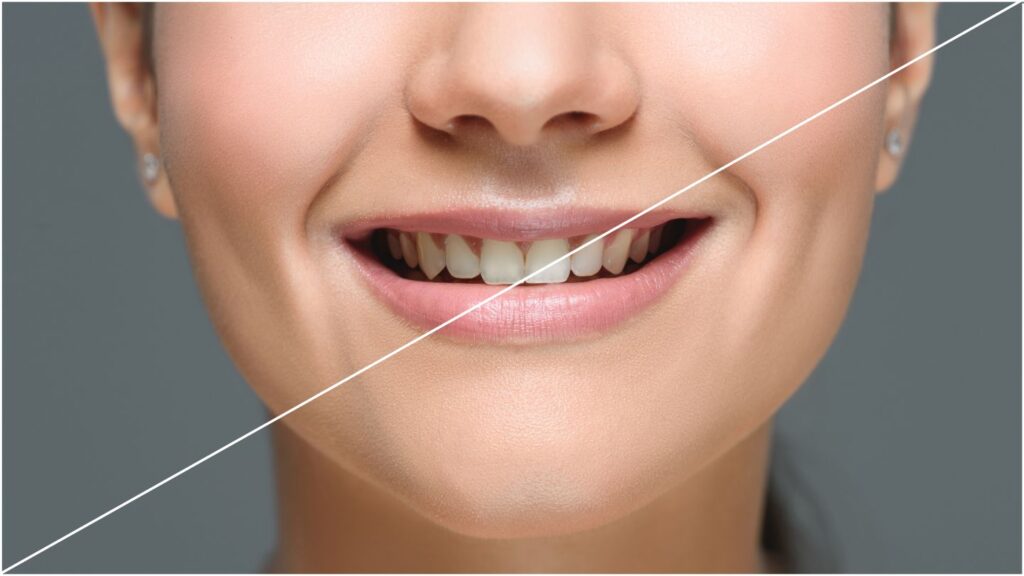
At first glance, composite and porcelain seem to offer the same promise: a whiter, more even, more attractive smile. That is why many patients think they are basically two versions of the same treatment. In reality, they solve the same problem in different ways.
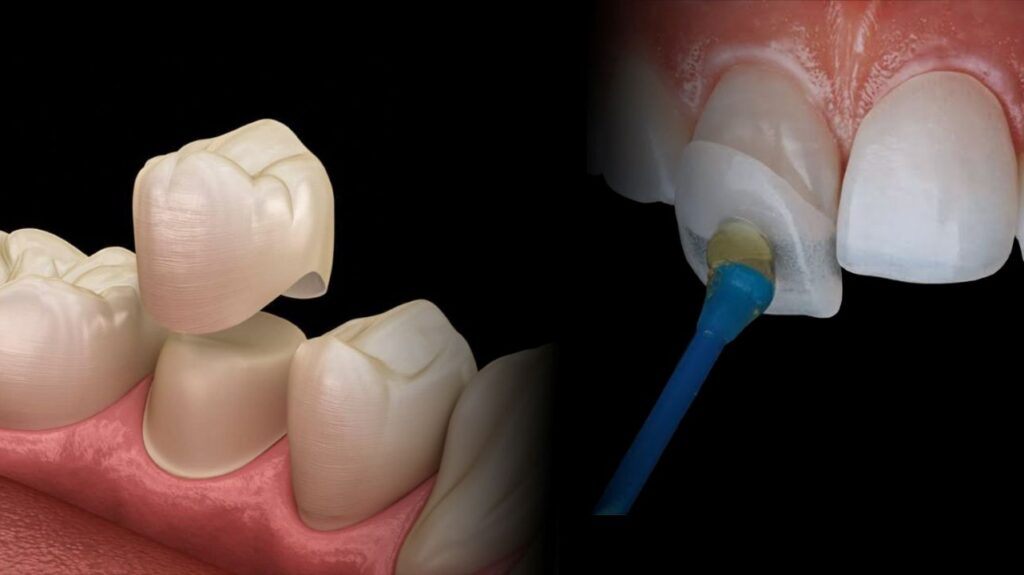
Composite veneers are made from tooth-colored resin that is usually shaped directly on the teeth. This makes them more flexible and often more conservative, especially for smaller changes.
Porcelain veneers are thin ceramic shells that are custom-made and then bonded to the front of the teeth. They usually involve more planning and often some enamel reduction, but they tend to offer better long-term polish, stain resistance, and surface stability.
So the real comparison is not just composite vs porcelain. It is often conservative treatment vs longer-term refinement, or lower initial cost vs stronger long-term performance.
What Makes Them Different in Real Life

The easiest way to understand the difference is to think about the type of result each one is best at delivering.
Composite veneers work well when the goal is modest improvement. If a patient has a chipped front tooth, slight asymmetry, a small gap, or mild shape issues, composite can often correct that beautifully without moving into a more involved treatment plan.
Porcelain veneers are usually chosen when the patient wants a bigger cosmetic upgrade. They are often better suited to cases involving multiple front teeth, more noticeable discoloration, stronger demands for symmetry, or a full smile redesign.
This is why the best choice depends on the starting point. A patient with one small cosmetic flaw may not need porcelain. A patient who wants a brighter, more uniform, and more stable result across several visible teeth may benefit much more from porcelain.
How Those Differences Affect Appearance and Longevity
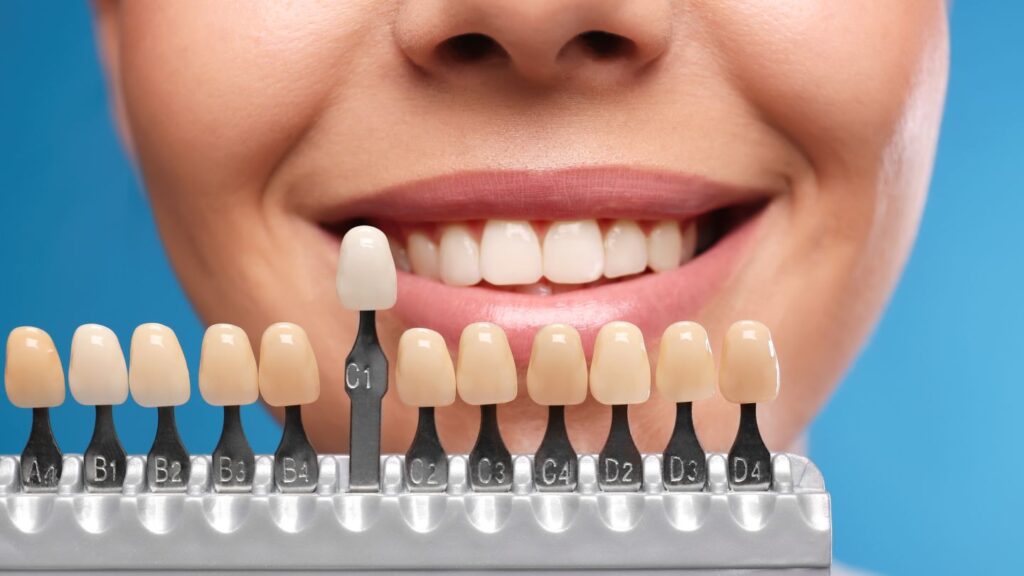
For patients who care most about a natural, polished, enamel-like appearance, porcelain usually has the advantage. It tends to reflect light more like natural enamel, keep its surface gloss longer, and resist staining better over time. That is one of the main reasons porcelain is so common in higher-demand cosmetic cases.
Composite can still look very good, especially in conservative cases and in skilled hands. But over time, it is more likely to lose polish, pick up discoloration, or need touch-ups. That does not make it a poor treatment. It simply means it usually asks for more maintenance.
So when patients ask which option looks better, the more honest answer is this: porcelain usually looks better for longer, while composite can still look excellent when the case is smaller and expectations are realistic.
Who Is Usually Better Suited for Composite Veneers
Composite veneers are often a better fit for patients who want a conservative cosmetic improvement rather than a full makeover.
They are especially useful for:
- small chips
- minor gaps
- worn edges
- slight shape correction
- modest esthetic touch-ups
They can also be a good option for patients who want to improve their smile without committing immediately to a more permanent ceramic plan. Because composite is usually easier to adjust and repair, it can feel like a more flexible choice.
In many cases, composite makes the most sense when the cosmetic issue is limited and the patient wants improvement with less intervention.
Who Is Usually Better Suited for Porcelain Veneers
Porcelain veneers are usually better suited for patients who want a more comprehensive esthetic result and want that result to remain stable over time.
They are often the stronger choice when the case involves:
- multiple visible front teeth
- significant color improvement
- higher esthetic expectations
- a need for better stain resistance
- a longer-term smile makeover
Patients who are very focused on fine detail, such as translucency, brightness, texture, and polish, usually benefit more from porcelain. In these cases, the extra planning and preparation often translate into a more refined final result.
When Neither Option Is the Best First Step
This is the part many cosmetic articles skip, but it matters.
Sometimes the right answer is not composite or porcelain, at least not right away. If a patient has untreated decay, gum disease, heavy grinding, or bite instability, those issues may need to be addressed first. Cosmetic treatment works best when it is built on healthy teeth and stable gums.
There are also cases where veneers are not the most conservative first choice. If the main problem is tooth position, orthodontic treatment may be the better place to start. If a tooth is heavily damaged or structurally weak, another restorative option may make more sense.
That is why the best cosmetic plan starts with diagnosis, not with choosing a material too early.
How Dentists Make the Final Recommendation
Dentists do not choose between composite and porcelain based on trend or popularity. They look at the actual condition of the teeth and gums, how much enamel is available, whether the patient grinds or clenches, how many teeth show when smiling, and what level of cosmetic change the patient is asking for.
That is why two patients with similar complaints can still receive completely different recommendations. One may be a perfect candidate for a conservative composite solution. Another may need porcelain to get a stable, natural-looking result that holds up over time.
The treatment should follow the case, not the other way around.
FAQ
Final Thought
If your priority is the most stable, refined, long-term cosmetic result, porcelain veneers are usually the stronger choice. If your priority is a more conservative, flexible, and easier-to-repair improvement, composite veneers may be the better fit.
The safest choice comes after a proper exam, a smile analysis, and an honest discussion about what your teeth actually need.
Have questions about a Hollywood Smile?
Enter your phone number and we’ll call to answer general questions and explain your options.