Last updated: January 22, 2026
Getting veneers usually comes with two feelings at once. Relief, because your smile finally looks the way you want. Worry, because you do not want them to chip, stain, or fail sooner than they should.
In this guide, we explain how to make veneers last longer with daily care, bite protection, and the habits that quietly shorten veneer lifespan. Everything here is for education only and is not a substitute for a full clinical examination or a personalised treatment plan.
- Veneer lifespan: what “lasting longer” usually means
- The most common reasons veneers fail early
- Staining, coffee, and whitening products
- Professional maintenance: what checkups prevent
- When should I see the dentist?
- Risks and limitations to understand upfront
- FAQs about veneer aftercare
- Gentle closing and next steps
- Sources
Veneer lifespan: what “lasting longer” usually means
There is no single guaranteed lifespan, because veneers live in a real mouth with real bite forces, hygiene habits, and gum health.
A common range you will hear is about 10 to 15 years with proper care. Some people get longer, some need replacement sooner. 1
Also important: veneers do not make your teeth “immune.” You can still develop problems around the edges if plaque builds up, or if the bite overloads the veneer.2
The most common reasons veneers fail early
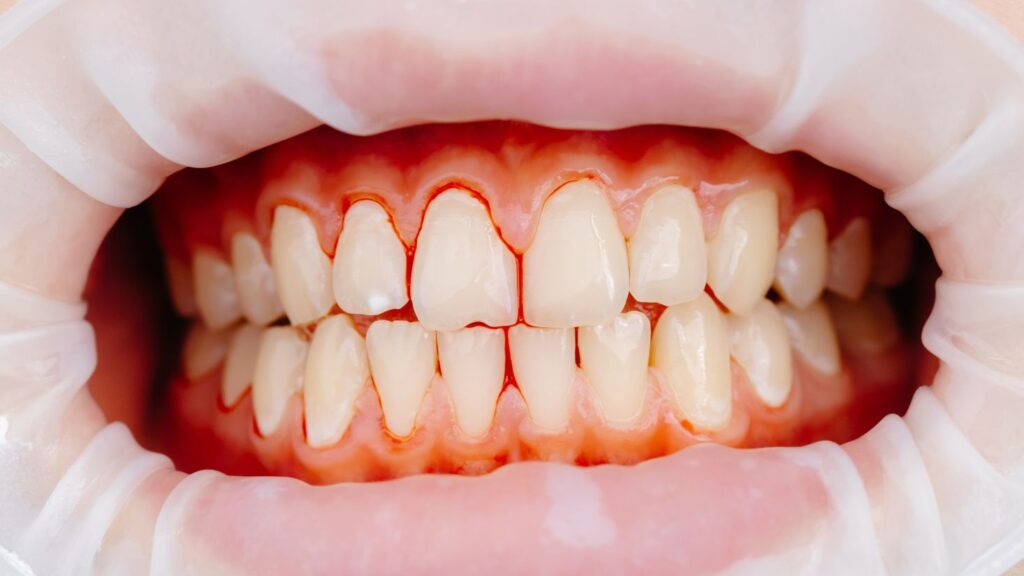
Most veneer problems come from a few predictable causes:
- Bite overload (one tooth hits first, or pressure concentrates on a veneer edge) 1
- Grinding or clenching (often during sleep, often unnoticed) 5
- Hard or “tool-like” habits (nail biting, pen chewing, opening packages with teeth) 2
- Staining exposure (coffee, tea, red wine, and other dark pigments over time) 1
- Poor margin hygiene (gum inflammation and decay risk around veneer edges) 2
Daily routine that protects veneer edges
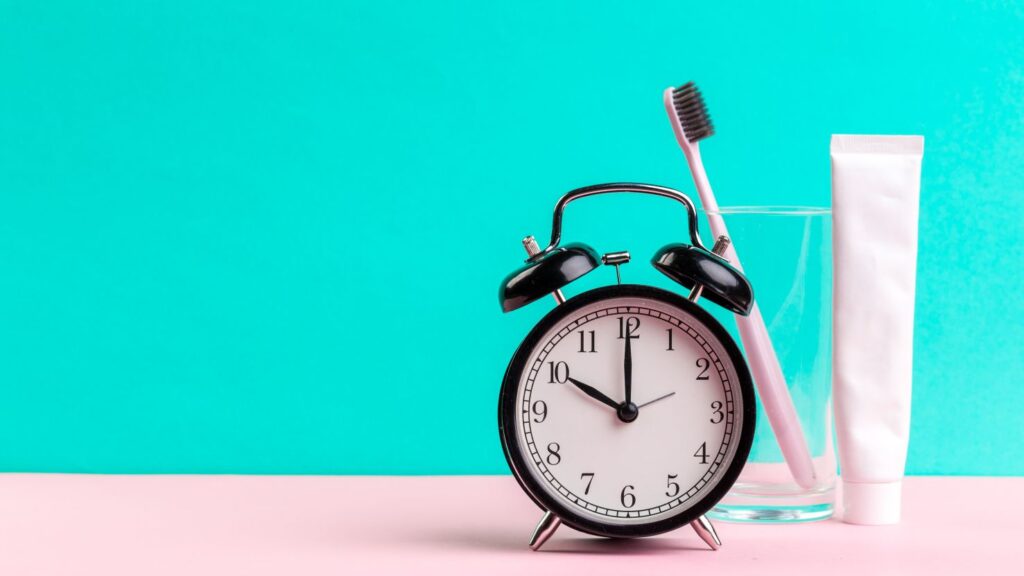
You do not need a complicated routine. You need a consistent one.
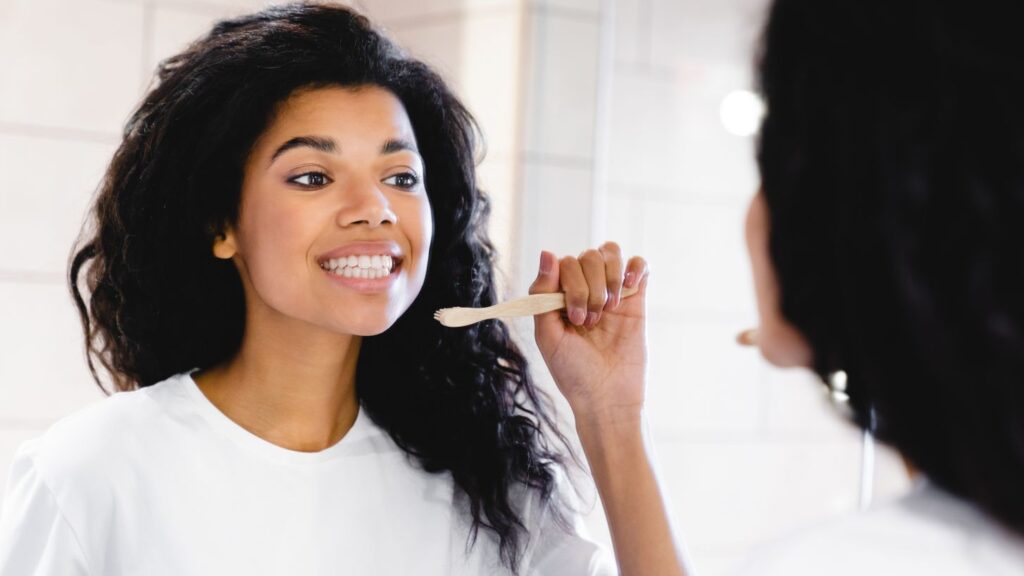
Brush gently, twice a day
The ADA recommends brushing twice daily with a soft-bristled toothbrush and using fluoride toothpaste. 3
Cleveland Clinic also recommends a soft-bristled toothbrush and non-abrasive fluoride toothpaste for veneers, and notes that regular brushing and flossing are key. 1
Clean between teeth daily
Cleaning between teeth daily helps protect the gumline and the veneer margins, where plaque can sit unnoticed. 3
If flossing is difficult, ask your dentist what is best for your case (for example, alternative interdental cleaning tools).
Foods and habits to avoid

Veneers can be strong, but they are not meant for edge-loading and “testing limits.”
Avoid hard biting with front veneers
To help veneers last, Cleveland Clinic advises avoiding biting directly into hard or crunchy foods (examples include apples, carrots, tough meats). Cut them and chew with your back teeth. 1
Stop using teeth as tools
MouthHealthy specifically mentions avoiding nail biting and chewing on hard objects or foods. 2
Practical examples to stop:
- Nail biting
- Chewing pens or ice
- Opening packets or tags with your teeth
These habits create small stresses that add up over time.
Grinding and clenching: the hidden risk
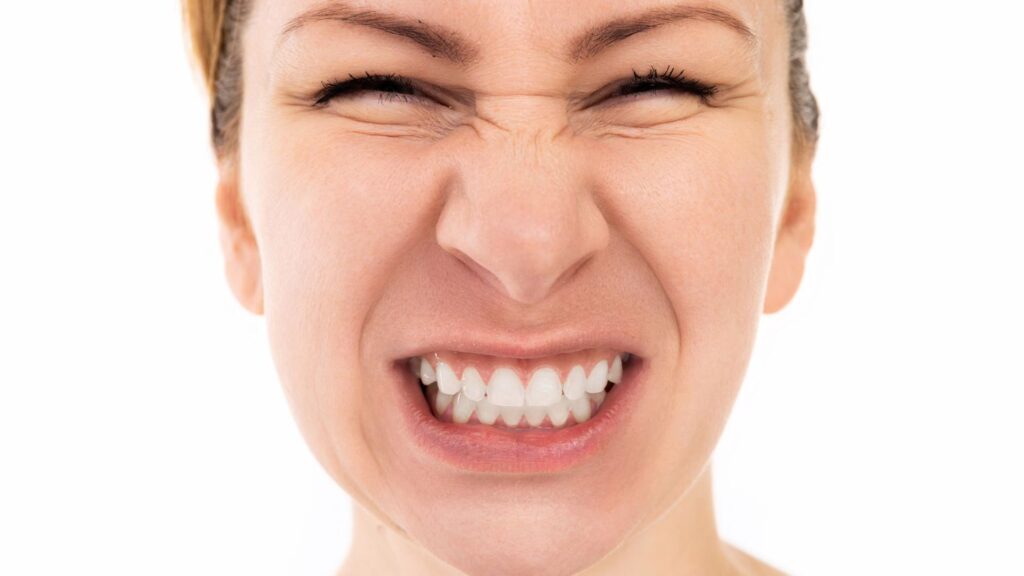
Grinding (bruxism) is one of the most common reasons veneers chip, crack, or debond early.
Cleveland Clinic describes bruxism as clenching or grinding that often happens subconsciously, and notes that many people can ease symptoms with a custom mouth guard. 5
Signs you might be grinding
- Morning jaw tightness or headaches
- New chips or rough edges that keep returning
- Soreness around the jaw muscles
- A partner hears grinding sounds at night 5
What usually helps
- A custom night guard from your dentist 5
- Bite adjustment if one veneer feels “high” or takes the first contact 1
- Stress and sleep support if those are major triggers 5
Staining, coffee, and whitening products
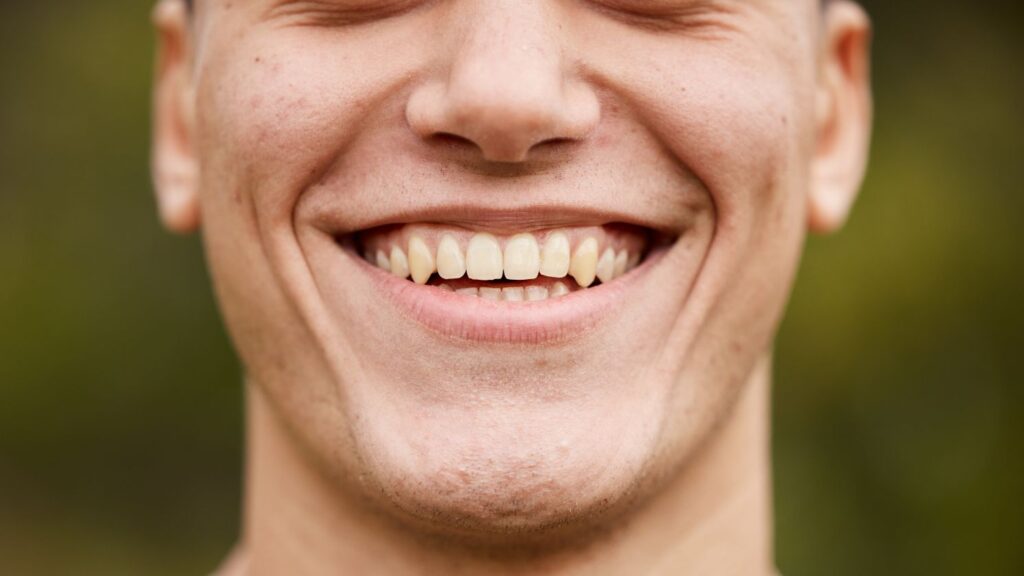
Porcelain is often more stain-resistant than natural enamel, but veneers can still discolor over time, especially if pigments sit on the surface frequently.
Both MouthHealthy and Cleveland Clinic advise caution with common staining drinks like coffee, tea, and red wine, and other dark-colored foods and beverages. 1
Cleveland Clinic also advises avoiding whitening products on veneers because they can scratch the surface. 1
Simple habits that help:
- Drink water after coffee or tea
- Keep margins clean at the gumline
- Ask your dentist before using any whitening product if you have veneers
Professional maintenance: what checkups prevent
Regular dental visits are not just cosmetic. They help catch small issues early, before they become expensive problems.
Cleveland Clinic notes that brushing, flossing, and visiting your dentist regularly are key for maintaining veneers, and says that if something does not feel right, call your dentist right away. 1
When should I see the dentist?
It is a good time to book a veneer check if you notice:
- A veneer feels “high,” or your bite feels uneven
- A sharp edge, tiny chip, or roughness
- New sensitivity that does not settle
- Bleeding or swelling around the veneer margins 1
If a veneer feels loose or comes off, do not ignore it. Book an appointment, protect the tooth, and avoid chewing on that side until you are evaluated. 1
Risks and limitations to understand upfront
Two honest points protect you long-term:
- Veneers are not a “forever” product. They often need repair or replacement at some point. 1
- You can still get cavities under or around veneers, so daily cleaning and professional monitoring matter. 2
FAQs about veneer aftercare
Gentle closing and next steps
If you are reading this, it is because your veneers matter to you. That makes sense. The calm goal is not perfection, it is stability: healthy gums, clean margins, and a bite that does not overload the veneers.
If anything feels off, book a checkup early. Small fixes are usually simpler than waiting for a chip or debond to become a bigger problem. 1
Sources
- Cleveland Clinic: “Veneers”
- American Dental Association (MouthHealthy): “Veneers”
- American Dental Association (MouthHealthy): “Brushing Your Teeth”
- American Dental Association (MouthHealthy): “Oral Health Recommendations”
- Cleveland Clinic: “Bruxism (Teeth Grinding)”
Have questions about a Hollywood Smile?
Enter your phone number and we’ll call to answer general questions and explain your options.