
You do not have to hide your smile because of chips, stains or small gaps. Instead, composite veneers can gently soften these details with a minimally invasive approach. In many cases, you walk out with a fresher smile after just one visit.
From the first consultation, we plan composite veneers around your face, your bite and your long-term oral health. In other words, we look beyond a single photo and focus on a smile that feels natural over time.
What are composite veneers?
Composite veneers are thin layers of tooth-coloured resin that we place on the front of your teeth. First, we choose a shade that blends with your natural enamel. Then we shape the material by hand to improve colour, shape and balance.
With careful layering and polishing, composite veneers can:
- brighten teeth that do not respond well to whitening
- repair small chips and worn edges
- close minor gaps
- make short or uneven teeth look more harmonious
Unlike crowns, which cover the whole tooth, composite veneers usually cover only the front surface. As a result, we often keep more of your natural enamel and avoid heavy drilling.
Who is a good candidate for composite veneers?
Composite veneers work best when your teeth and gums are generally healthy. Therefore, we always start with a full examination. During this visit, we check for decay, gum disease and bite problems before we talk about veneers.
You may be a good candidate if you:
- have healthy teeth and gums with no major untreated problems
- want to correct mild chips, gaps, uneven edges or discoloration
- prefer a more conservative and budget-friendly option than porcelain veneers
However, if you grind your teeth heavily, have large fractures or a very unbalanced bite, we may suggest other steps first. For example, you may need a night guard, orthodontic treatment or a crown instead of a veneer on certain teeth. After we review your mouth and your goals, we explain clearly whether composite veneers can help or whether we should take a different route.
Composite veneers vs porcelain veneers
Many patients want to know how composite veneers compare with porcelain veneers. Both options can improve your smile; however, they differ in durability, cost and how much tooth we need to reshape.
| Feature | Composite veneers | Porcelain veneers |
|---|---|---|
| Material | Resin-based composite | Ceramic/porcelain |
| Tooth preparation | Usually minimal | Often more enamel removal |
| Visits | Often same-day, one visit | Typically 2–3 visits |
| Durability (average) | About 5–7 years with care | Often 10+ years with care |
| Repair | Dentist can often repair in the mouth | Lab usually must remake |
| Stain resistance | Stains more easily | Resists stain better |
| Cost per tooth | Generally lower | Higher |
In simple terms, composite veneers usually suit you if you value a gentle, flexible and more affordable solution. By contrast, porcelain veneers may suit you better if you want maximum stain resistance and longer average lifespan and accept a higher cost and more enamel removal.
How the composite veneers procedure works
Every smile is different; however, the main steps usually follow the same pattern.
1. Consultation and smile design
First, we carry out a full examination and take photos. You explain what bothers you and what you hope to change. Then we discuss realistic goals for colour, shape and overall look, so you know what to expect.
2. Gentle tooth preparation
Next, we clean the teeth and, if needed, lightly roughen or reshape the enamel on the front surface. This step helps the composite bond well and sit in the right position. When it improves your comfort, we use local anaesthetic, and we always explain what we plan to do before we start.
3. Building the veneers
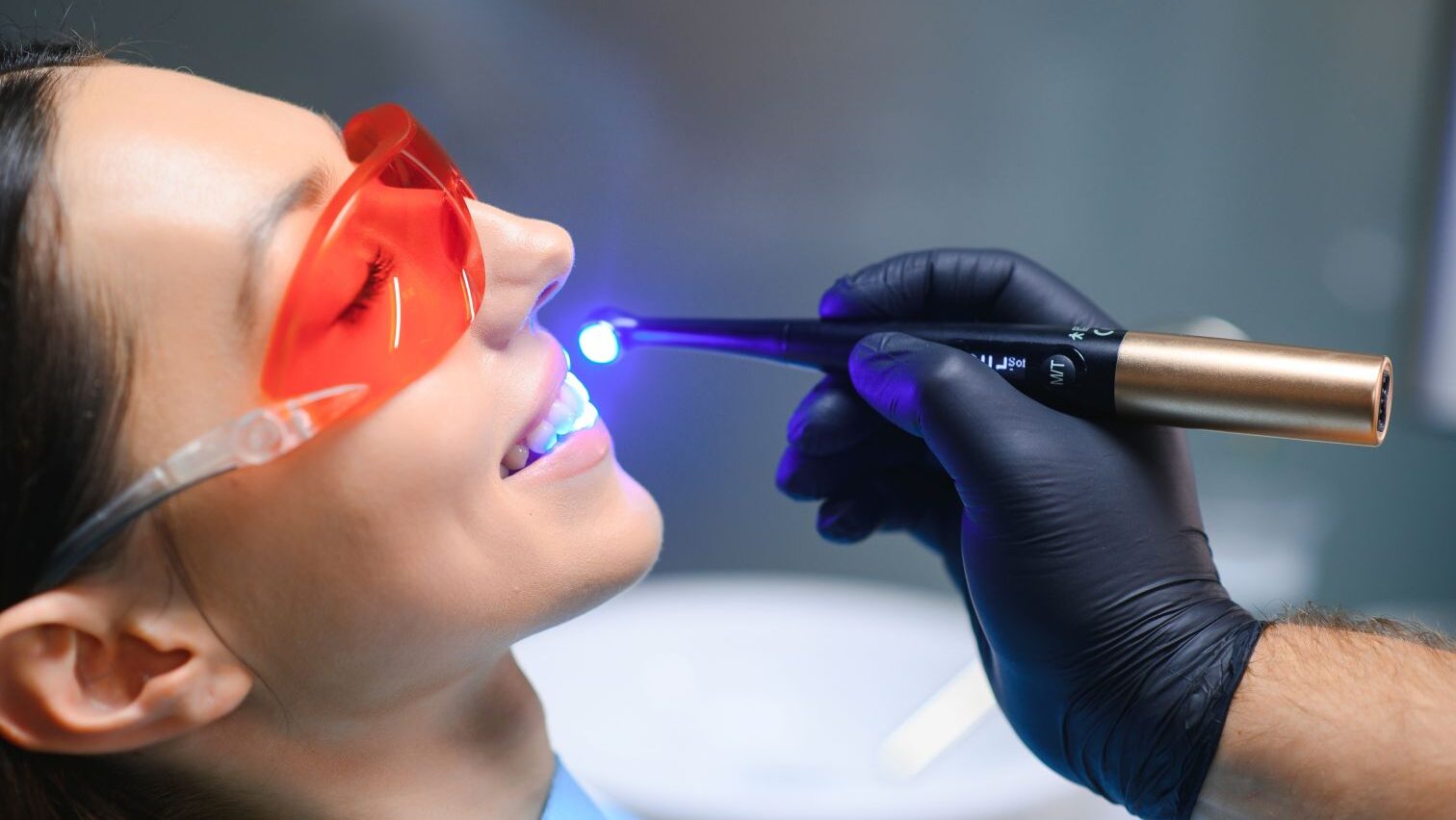
After that, we place the composite resin directly on your teeth in small layers. After each layer, we sculpt the material to refine the contours and then cure it with a special light. Gradually, your new tooth shape appears.
4. Shaping and polishing
Once we like the shape, we check how your teeth meet when you bite and make small adjustments. Then we polish the surface to a smooth, natural-looking shine. As a result, the veneers blend with your natural teeth rather than standing out.
5. Follow-up
Finally, we usually arrange a short review visit. During this appointment, we fine-tune the polish or bite if needed and answer questions about cleaning, food choices and long-term care.
When should I see the dentist?

You may wish to book a composite veneers consultation if you feel self-conscious about chips, stains, worn edges or small gaps that show when you smile. For example, some people feel fine in everyday life but dislike how their teeth look in photos or on video. In these cases, composite veneers can offer a targeted, cosmetic boost.
On the other hand, you should book an urgent appointment—not just a cosmetic visit—if you notice:
- toothache or sharp pain when you bite
- sensitivity that does not settle over several days
- swollen or bleeding gums, or a bad taste in your mouth
- a broken tooth with a sharp edge or deep fracture
In those situations, we first treat pain, infection or decay. Only after your mouth is healthy do we plan cosmetic care such as composite veneers. This order protects both your comfort and your long-term results.
Risks & limitations
Composite veneers are a trusted cosmetic option; however, no treatment is risk-free.
Possible risks include:
- chipping or wear, especially if you grind your teeth or bite hard objects
- staining from coffee, tea, red wine and smoking
- temporary sensitivity after we reshape the enamel
In addition, composite veneers have some limitations. Teeth with large cracks, big fillings or very weak structure may benefit more from crowns, which cover the whole tooth. Likewise, severe bite problems or strong grinding can shorten the life of any veneer, whether composite or porcelain.
Most importantly, once we remove enamel, it does not grow back. Therefore, veneers usually commit you to some form of restoration on those teeth in the future. We talk through this clearly so you can balance the benefits and responsibilities before you decide.
Aftercare, longevity and maintenance
Good care makes a real difference to how long composite veneers last. With a stable bite and healthy habits, many patients keep them for five to seven years, and sometimes longer. Conversely, poor cleaning or heavy grinding can shorten that time.
To protect your composite veneers:
- brush twice a day with fluoride toothpaste and a soft brush
- clean between your teeth every day
- avoid biting nails, ice, pens or very hard foods with veneered teeth
- limit dark drinks and rinse with water afterwards
- wear a custom night guard if you grind your teeth at night
If a veneer chips slightly or picks up surface stains, we can often solve the problem with a simple polish or small repair. Only larger cracks or deep staining usually require a full replacement.
Cost and financing considerations
Composite veneers usually cost less per tooth than porcelain veneers. Therefore, they often work well for people who want cosmetic improvement across several front teeth without the higher cost of ceramic.
Your total fee depends on:
- how many teeth we treat
- how complex your bite and smile design are
- whether you need other care first, such as hygiene therapy or whitening
You receive a clear written plan that lists each step and its cost. When appropriate, we can also phase treatment. For instance, we might start with the central front teeth, then add veneers to neighbouring teeth later, so you can spread out the investment.
Why choose composite veneers with us?
Our aim is simple: we want your smile to look natural, feel comfortable and stay healthy as the years pass. To do that, we favour minimally invasive techniques and careful planning rather than quick fixes.
You can expect:
- a thorough assessment of your teeth, gums and bite
- honest discussion of what is realistic for your smile
- careful matching of shade and shape to your features
- clear explanations of alternatives, risks and maintenance
For your website, you can support this message with images that show calm, natural smiles rather than extreme “perfect” teeth. Alt text such as “composite veneers on front teeth for natural smile” keeps things accessible and search-friendly.
FAQs about composite veneers
Ready to explore your options?
Composite veneers can gently soften the small details that bother you and help your smile feel more at ease in everyday life. If you think they might suit you, the next step is a full dental examination and an honest conversation about your goals.
This information can guide you, but it does not replace a check-up. For personalised advice, please book a consultation with a qualified dentist, so they can examine your mouth in person and suggest the safest, most suitable options for you.