
Smile Design (Smile Makeover)

If you hide your smile in photos or feel self-conscious when you laugh, you’re far from alone. Many people quietly worry about the colour, shape or alignment of their teeth. Smile design is our way of gently re-imagining your smile so it feels like the best version of you – not a copy-and-paste “Hollywood” look.
We begin by listening. Then we guide you through realistic options so your smile design can balance appearance, function and long-term health. You stay in control at every step, with time to think and to ask questions.
What is smile design?
Smile design is a personalised cosmetic dentistry plan that looks at your smile as a whole rather than treating one tooth at a time. We consider the shade and brightness of your teeth, their shape and proportions, how straight or spaced they are, how your gums frame them, and how all of this fits your lips and facial features.
From that analysis, we build a sequence of treatments tailored to you. This might include professional teeth whitening to brighten the enamel, composite bonding to repair chips and refine shapes, porcelain veneers to transform the front teeth, orthodontic treatment such as clear aligners to straighten them, and crowns or implants where teeth are heavily damaged or missing.
You may hear the phrase “smile makeover”, but our aim is not to give everyone the same smile. Our goal is that you look like yourself – simply more confident, more comfortable and more willing to smile without thinking about it.
Who is smile design suitable for?
Smile design can be a good option if you are generally healthy and feel unhappy with several aspects of your smile at once. Perhaps your teeth have become more yellow with time, edges look chipped or worn, small gaps or mild crowding catch your eye, or older fillings and crowns no longer blend in when you see yourself in photos.
To make this more concrete, common reasons people ask about smile design include:
- Feeling that their teeth look older, darker or more worn than they feel inside
- Noticing that several small issues, such as stains, chips and gaps, now add up to a smile they no longer like
Many patients tell us they still recognise themselves in the mirror, but their smile no longer matches how youthful or energetic they feel. That is often the moment they decide to explore a more joined-up, planned approach.
At your consultation we examine your teeth, gums and bite and take any necessary x-rays. If there is gum disease, tooth decay or other urgent problems, we treat those first. Cosmetic work should sit on a stable foundation; once your mouth is healthy and comfortable, we can safely focus on aesthetics.
How we plan your smile design
Step 1 – Conversation and clinical assessment
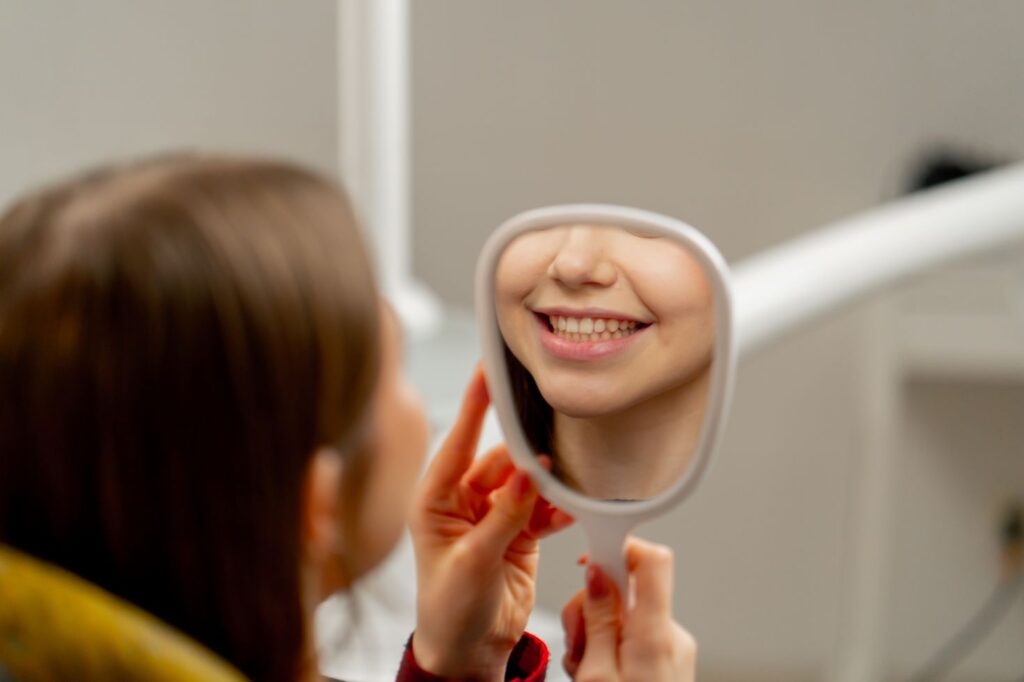
Your smile design starts with a conversation, not a drill. We ask what you like and dislike about your smile, how you picture your ideal result, and what matters most to you: preserving enamel, finishing treatment quickly, spreading appointments and costs over time, or completing everything in one comprehensive plan.
We then carry out a detailed examination of your teeth, gums and bite. This shows us what is possible, what is sensible and which approaches would be better avoided for your specific situation.
Step 2 – Photos, scans and digital planning
To plan accurately, we usually take high-quality photographs and digital scans of your teeth. Using Digital Smile Design software, we analyse how your smile fits your lips and facial features and build a virtual preview of potential changes.
This digital planning lets you see directions before any treatment begins. You can get a visual sense of how changing tooth length, width or position might alter your overall appearance. It also helps us communicate clearly with our dental laboratory when crafting veneers, crowns or other restorations.
Step 3 – Trial smile and treatment roadmap
For many smile design cases, we create a trial smile. This might be a mock-up placed directly on your teeth with temporary material or a highly detailed digital simulation. You can see proposed shapes and lengths, feel how they sit when you speak and smile, and tell us what does or does not feel like “you”.
Once you are happy with the direction, we agree a treatment roadmap. This sets out the sequence of visits, the procedures involved and the expected timing and costs, so you know exactly what to expect before your smile design begins.
Smile design treatment options
Every smile design is unique, but most plans are built from a familiar set of techniques that we combine differently for each person.
Professional teeth whitening
Whitening is often the first step. Under dental supervision, whitening gels can safely lighten your natural tooth colour by several shades. Once your teeth stabilise at a brighter shade, we can match any later work, such as bonding or veneers, to that new baseline.
Whitening is ideal for general yellowing from tea, coffee, smoking or age. Very deep internal discolouration, for example from old trauma, may not respond fully and sometimes calls for veneers or bonding instead.
Composite bonding
Composite bonding uses tooth-coloured resin to improve the appearance of individual teeth. We can repair chips, build up worn edges, close small gaps or refine tooth shapes. The treatment is usually minimally invasive and can often be completed in a single visit.
The trade-off is durability. Composite is kind to the tooth and more affordable initially, but it can stain and wear more quickly than porcelain and may need polishing or replacement after several years.
Porcelain veneers
Porcelain veneers are thin ceramic shells that cover the front surfaces of teeth. They allow careful control over colour, shape and minor aspects of alignment. Modern ceramics can look very similar to natural enamel, with lifelike translucency and texture.
Veneers resist staining and tend to last longer than composite. They usually require a small, permanent reduction of enamel and involve a higher initial investment. Ultra-thin veneers can sometimes reduce the amount of tooth reduction, but they are not suitable for every case.
Orthodontics and clear aligners
When crowding, spacing or rotation are more significant, orthodontic treatment or clear aligners may form an important part of your smile design. Gently moving the teeth into better positions can reduce the need for drilling and open up more conservative aesthetic options later.
A common sequence is to straighten the teeth first, then whiten them and finally tidy details with bonding or occasional veneers.
Crowns, bridges and implants
In some smiles, damaged or missing teeth are part of the picture. As part of a smile design we may recommend crowns to strengthen and improve the appearance of weakened teeth, bridges to replace missing teeth using neighbouring teeth as support, or dental implants to replace missing roots and crowns.
These treatments are restorative first and cosmetic second, but they often transform both confidence and function.
Comparing common options
Here is a broad comparison of frequently used smile design tools:
| Treatment | Main purpose | Typical longevity* | Tooth removal | Visits (approx.) |
|---|---|---|---|---|
| Whitening | Lighten natural tooth colour | Months–few years | None | 1–3 |
| Composite bonding | Repair chips, reshape, close gaps | Around 3–7 years | Minimal | Often 1 |
| Porcelain veneers | Change colour, shape, fine alignment | 10–15+ years | Moderate | Usually 2–3 |
| Clear aligners/ortho | Straighten teeth, improve the bite | Long-term | None | Several months |
| Crowns | Strengthen and improve appearance | 10–15+ years | Significant | Usually 2–3 |
*All timeframes depend on your bite, hygiene, habits and regular dental care.
When should I consider smile design?
You might consider a smile design consultation if you have been unhappy with your smile for some time, feel over-the-counter whitening never gets you where you want to be, or notice that several small issues together now affect your confidence.
Smile design can also be helpful if you have finished orthodontic treatment but still dislike the colour, size or shape of your teeth, or if you have a milestone event coming up and prefer a structured plan over last-minute quick fixes.
Separately from cosmetics, you should see a dentist promptly if you notice toothache, lingering sensitivity, bleeding gums, persistent bad breath, loose teeth or sudden changes in your bite. We must address health first; aesthetic treatment should only follow once your mouth is stable.
What your smile design journey feels like
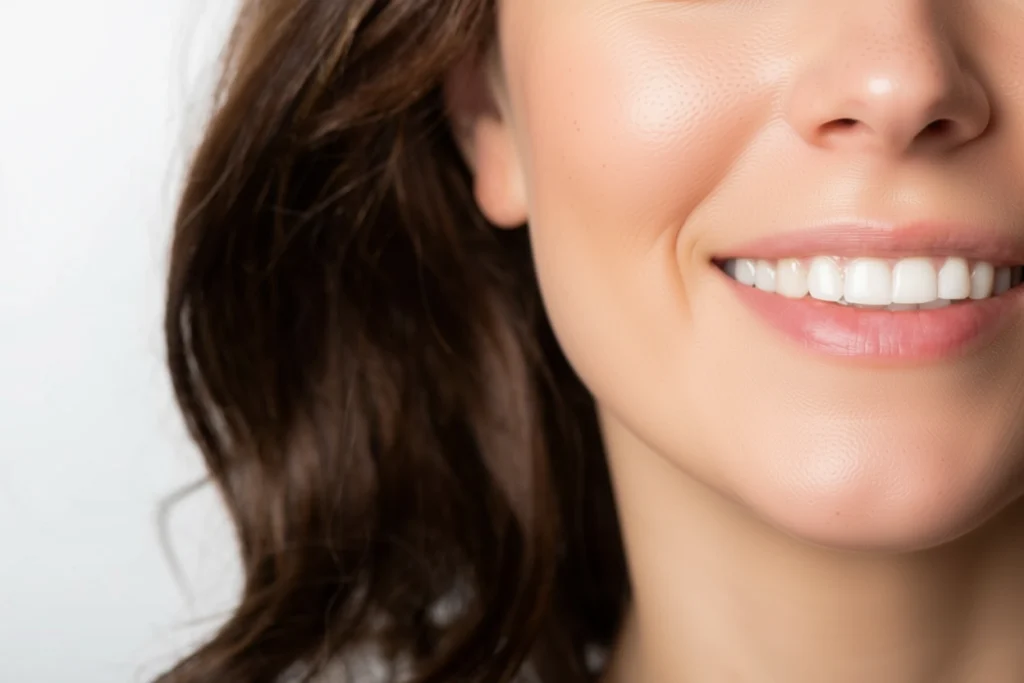
From your perspective, a smile design journey usually feels like a series of manageable steps rather than one dramatic leap. You start by gathering information: we examine your mouth, listen to your concerns and explain what is possible, what is advisable and what may not be appropriate. There is time to think about your priorities around treatment length, budget and how much change you would like to see.
Once a plan is agreed, treatment is carried out in stages. Whitening and orthodontics, if needed, often come early. Veneers, bonding, crowns or implants follow once your teeth and gums are ready. Throughout, we aim to keep you comfortable, explain each step and check in regularly that the direction still feels right.
At the end there is a period of fine-tuning. We adjust your bite if needed, refine small details and polish surfaces so that your new smile feels as natural as it looks.
Aftercare and longevity
A well-planned smile design relies on thoughtful aftercare. In daily life, the habits that best protect your new smile include:
- Brushing twice a day with fluoride toothpaste and cleaning between your teeth every day
- Attending regular checkups and professional hygiene appointments, and using a night guard if you clench or grind your teeth
It also helps to avoid using your teeth as tools and to be careful with very hard foods on teeth that have had cosmetic work.
In general, whitening will need occasional top-ups to maintain brightness. Composite bonding usually lasts several years before requiring polishing or replacement. Porcelain veneers and crowns can often last a decade or more with good care. At your routine visits we check all restorations, monitor changes and let you know when maintenance is advisable.
Risks and limitations

Smile design is a powerful way to change a smile, but it does have risks and limitations. Sensitivity is common for a short time after whitening or tooth preparation. Veneers and bonding can chip or debond, especially with heavy biting forces or habits such as biting pens or nails. Gums may feel tender around new restorations before they settle. Over the years, all dental work will eventually need some degree of maintenance or replacement.
Expectations also matter. Digital plans and trial smiles are planning tools, not crystal balls. Your individual anatomy, healing and everyday habits all influence the final outcome. Some smiles require a combination of orthodontic, gum and restorative treatment to balance function with appearance, while others are better served by minimal intervention.
We will always talk through the benefits, risks and limitations of smile design in your particular case before you decide to proceed.
Smile design vs full mouth restoration
Smile design and full mouth restoration are related but not identical. In a typical smile design, we focus mainly on the teeth that show when you talk and laugh, with an emphasis on aesthetics and gentle improvements to function. By contrast, full mouth restoration has a much broader scope: it is usually recommended in cases of severe wear, multiple missing teeth or major bite problems, and may involve rebuilding most or all teeth with crowns, bridges, implants and sometimes surgery.
Many patients sit somewhere between these two categories. Our responsibility is to help you understand where you are on that spectrum and to recommend the level of treatment that best supports your long-term oral health as well as your appearance.
Costs and financing
The cost of smile design varies because no two treatment plans are the same. It depends on how many teeth are involved, which procedures are chosen, how complex your bite and jaw are, and which materials and laboratory techniques we need.
Because smile design is primarily cosmetic, many insurance plans offer limited or no cover unless there is a clear medical reason. During your consultation we can provide a written estimate, discuss ways to phase treatment over time and explain any available financing options so you can make a decision that feels comfortable for you.
Smile design FAQ
Ready to explore smile design?
If you have been thinking about changing your smile for a while, the first step is a calm, pressure-free conversation. At your smile design consultation we will examine your teeth and gums, listen carefully to what bothers you – and what you like – and outline clear options with their benefits, risks and costs.
You leave with understanding, not obligation. When the moment feels right for you, we will be ready to help you plan a smile design that feels comfortably, confidently yours.
Have questions about a Hollywood Smile?
Enter your phone number and we’ll call to answer general questions and explain your options.