
Teeth whitening can be a simple, gentle way to brighten a smile that feels dull, stained, or older than you feel. Everyday drinks like coffee and tea, certain foods, smoking, and natural ageing can slowly change the colour of your teeth, even when you brush well. As a result, many people feel that their smile no longer reflects how healthy and energetic they actually are. With professional teeth whitening at the dentist, we can carefully lift deep stains and refresh your smile using products that are tested, measured, and tailored to your mouth.
However, our goal is not a fake, chalky white. Instead, we aim for a fresher, healthier version of your own smile that still looks like you. At your consultation we listen to what bothers you, check your teeth and gums, and then talk about what kind of change would feel natural for your face, skin tone, and lifestyle.
A calm, confident way to brighten your smile
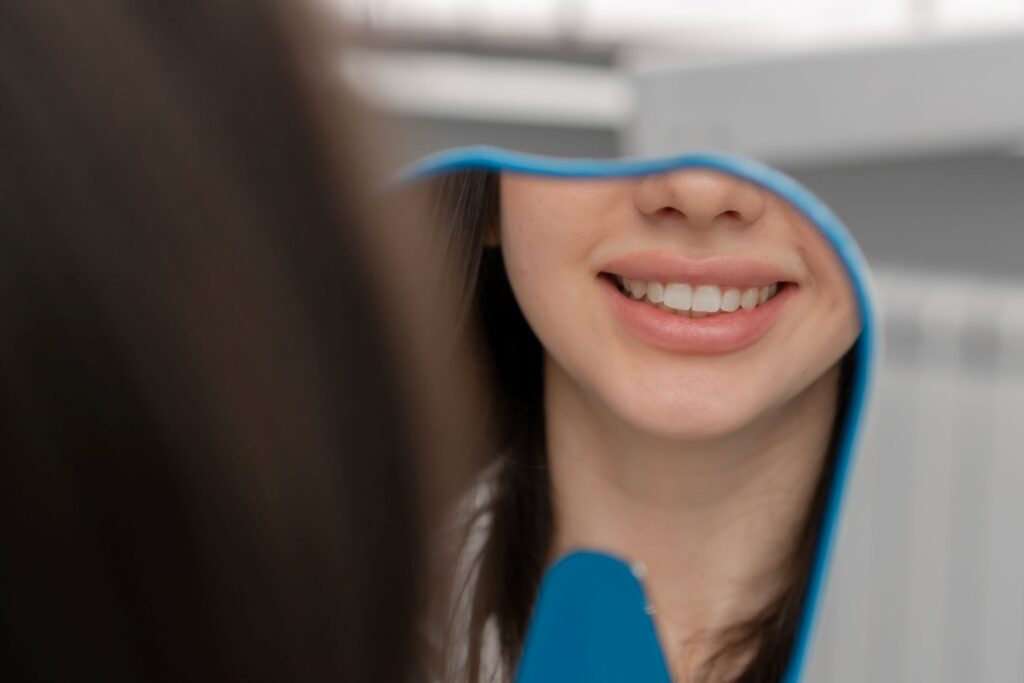
Many people quietly avoid photos or hide their teeth when they laugh because they worry about yellowing or dark stains. Consequently, they may feel less confident at work, in social situations, or on special occasions.
In contrast, professional teeth whitening is designed to improve the colour of your teeth in a controlled and predictable way. In addition, it allows us to protect your gums, manage sensitivity, and adjust the plan if your teeth react more strongly than expected. Overall, the aim is to help you smile more freely, without worrying about whether others notice discolouration.
What is professional teeth whitening?
Teeth whitening, also called dental bleaching, is a cosmetic treatment that lightens the natural tooth structure using gels based on hydrogen peroxide or carbamide peroxide. These gels break down into oxygen molecules that penetrate the enamel and dentine. As a result, many of the coloured pigments that cause staining are gently lifted.
For most people, teeth whitening works best on yellow or brown stains from drinks, food, tobacco, and age-related darkening of natural teeth. However, it is important to understand its limits. It does not change the colour of fillings, crowns, veneers, or dentures, so these may need to be replaced later if you want them to match your new tooth shade. In some cases, we may therefore recommend a combined approach that includes both whitening and new restorations.
Teeth whitening options
Because every smile is different, we usually offer more than one teeth whitening pathway. This way, we can match your needs, time, and sensitivity level rather than forcing one standard option on everyone.
In-office teeth whitening
In-office teeth whitening is performed in the dental chair. First, we protect your lips and gums with barriers and gels. Then we apply a high-concentration whitening gel to your teeth and monitor you throughout the session. In many cases, several short “cycles” are completed in a single visit.
This option may suit you if you:
- Want visible results quickly
- Prefer the dentist to handle every step
- Have a deadline such as a wedding or photo shoot
Moreover, in-office whitening allows us to respond immediately if you feel sensitivity, which can make the process feel safer and more comfortable.
Dentist-supervised take-home trays

For take-home whitening, we start by taking impressions or scans of your teeth to create custom-fitted trays. Afterwards, you use these trays at home with a lower-concentration gel, usually for several hours a day or overnight for one to two weeks, depending on your goals.
This option may suit you if you:
- Prefer gradual change over time
- Like the flexibility of whitening at home
- Have mild to moderate staining and healthy gums
In addition, home whitening makes it easier to pause treatment if sensitivity appears. You can simply skip a day, reduce the wear time, or use desensitising products as advised by your dentist.
Combined whitening plans
Sometimes we combine an in-office teeth whitening session with take-home trays. In this approach, the in-office visit gives a strong initial boost, while the home phase allows gentle fine-tuning of the final shade.
As a result, you get both speed and control. Furthermore, this combined method may help you maintain your result over a longer period, as you can use the home trays for occasional top-ups.
When should I see the dentist about teeth whitening?
You should consider booking a teeth whitening consultation if:
- Your teeth look yellow or brown despite good brushing
- You notice staining from coffee, tea, red wine, or smoking
- You have an upcoming event and want a fresher smile
- Old fillings or crowns now look darker than your teeth
- Whitening toothpaste or strips have not made enough difference
In particular, it is important to see us before whitening if you have sensitive teeth, gum recession, exposed roots, worn enamel, many fillings or crowns on your front teeth, or a history of dental decay or gum disease. In these situations, we can first treat underlying problems and then decide whether teeth whitening is safe and worthwhile.
Otherwise, using strong whitening products on untreated teeth or inflamed gums may lead to more pain, irritation, or uneven results.
What to expect during treatment
1. Consultation and shade check
During your first visit we examine your teeth and gums, take a shade reading, and talk about what is realistic and safe. At this stage we also discuss your habits, such as smoking or heavy tea and coffee use, because these factors strongly affect the final result.
Based on this assessment, we then decide together whether in-office whitening, take-home trays, or a combination would suit you best.
2. Cleaning if needed
Often, a professional clean is carried out before whitening. This step removes plaque and surface stains so the whitening gel can contact the enamel evenly. Consequently, your results are usually more consistent from tooth to tooth.
3. Whitening session or tray fitting
For in-office whitening, we protect the soft tissues, apply the gel in several short cycles, and check your comfort at each stage. If needed, we can shorten a cycle or pause treatment.
For home whitening, we take impressions or digital scans, then fit your custom trays at a second appointment. During this visit we explain exactly how much gel to use, how long to wear the trays, and what to avoid during your course. As a result, you leave with a clear, step-by-step plan.
4. Aftercare and sensitivity plan
Mild, temporary sensitivity is common, especially in the first day or two. To reduce this, we may recommend desensitising toothpaste, fluoride products, or shorter wear times. In addition, we usually advise avoiding very hot or very cold drinks and strong colourants, such as red wine or dark sauces, immediately after whitening sessions.
Results, maintenance and how long teeth whitening lasts
Teeth whitening is not permanent; however, many people enjoy brighter teeth for six to twenty-four months. How long your result lasts depends on your diet, whether you smoke, your oral hygiene, and your natural tooth shade.
To maintain your smile after professional teeth whitening, we may suggest:
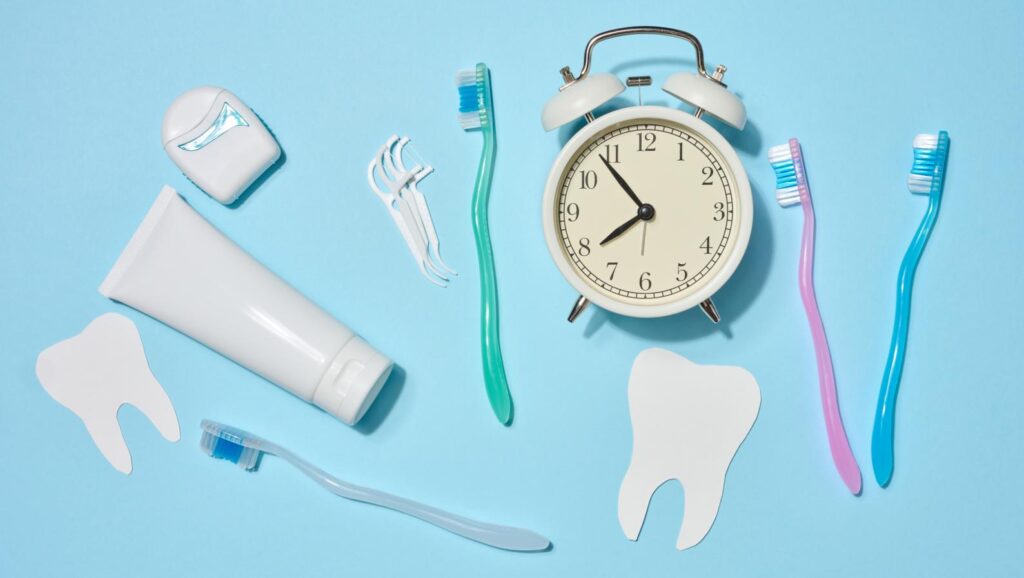
- Brushing twice a day and cleaning between the teeth
- Regular professional cleanings
- Occasional top-up whitening with dentist-supervised trays
- Limiting very dark drinks and tobacco
If your lifestyle involves frequent staining drinks or smoking, your results may fade more quickly. In that case, a carefully planned top-up schedule can help. On the other hand, if you rarely consume staining substances, your teeth may stay brighter for longer.
Risks and limitations of teeth whitening
Teeth whitening is generally considered safe when supervised by a dentist and when products are used as directed. Nevertheless, there are important risks and limitations to understand.
- Sensitivity: Temporary sensitivity to cold or air is common and usually settles once treatment pauses or finishes.
- Gum irritation: If gel touches the gums, they may feel sore or look white for a short time, then heal.
- Uneven results: Teeth with internal discoloration, such as after trauma or root canal treatment, may not respond as well.
- Restorations: Fillings, crowns, and veneers do not lighten, which may make them stand out after whitening.
Because of these factors, whitening is not right for everyone. We may postpone or avoid teeth whitening if you are pregnant or breastfeeding, have untreated decay or gum disease, or very worn enamel. Overusing strong or unsupervised whitening products may damage enamel or irritate gums; therefore, it is safer to work with a dental professional who can guide the process.
Teeth whitening vs shop-bought products
To help you compare your options, here is a straightforward overview:
| Option | Who supervises it | Strength and fit | Main pros | Main limits |
|---|---|---|---|---|
| In-office teeth whitening | Dentist | High-strength gel, precise application | Fast, tailored, monitored | Higher cost, clinic time |
| Dentist-supervised take-home trays | Dentist and you | Custom trays, controlled gel strength | Flexible at home, gradual change | Needs daily use |
| Over-the-counter strips, trays or pens | You only | One-size-fits-all, lower strength | Easy to buy, lower initial cost | Less precise, variable results |
As you can see, shop-bought products can be useful in some cases. However, they do not offer the same level of assessment, custom fit, or professional monitoring as dentist-led teeth whitening.
FAQs about teeth whitening
1. Is teeth whitening safe for my teeth?
When we assess your mouth first and use approved products as directed, teeth whitening is usually considered safe. We monitor your gums and enamel throughout and, if needed, we adjust strength or timing to keep you comfortable.
2. How long does professional teeth whitening last?
Most people enjoy their whiter smile for many months, sometimes up to two years, especially if they limit staining foods and drinks, avoid smoking, and maintain good oral hygiene. If the colour fades, occasional top-ups may be recommended.
3. Does teeth whitening work on all teeth?
Teeth whitening works best on natural teeth with yellow or brown stains. Grey or very dark teeth, and teeth with internal stains, may not respond as well. In addition, fillings, crowns, and veneers will not change colour and may need to be replaced to match.
4. Will teeth whitening make my teeth sensitive?
Some people notice brief zings or sensitivity to cold during or after treatment. Fortunately, this is usually temporary and manageable with desensitising products, fluoride, or shorter wear times. If sensitivity persists, we will review and adapt your plan.
Ready to talk about a whiter smile?
Teeth whitening is more than a cosmetic extra; for many people it gently restores confidence when laughing, speaking, and being photographed. If you are curious but unsure, we can simply start with a conversation and a careful examination.
During your visit we will look at your teeth, listen to what you would like to change, and suggest a whitening plan, if it is appropriate, that balances results, comfort, and safety. This page is for general education only and does not replace a personalised examination or treatment plan.
Whenever you are ready, you can contact us to book a teeth whitening consultation and take the next gentle step towards a brighter, more confident smile.