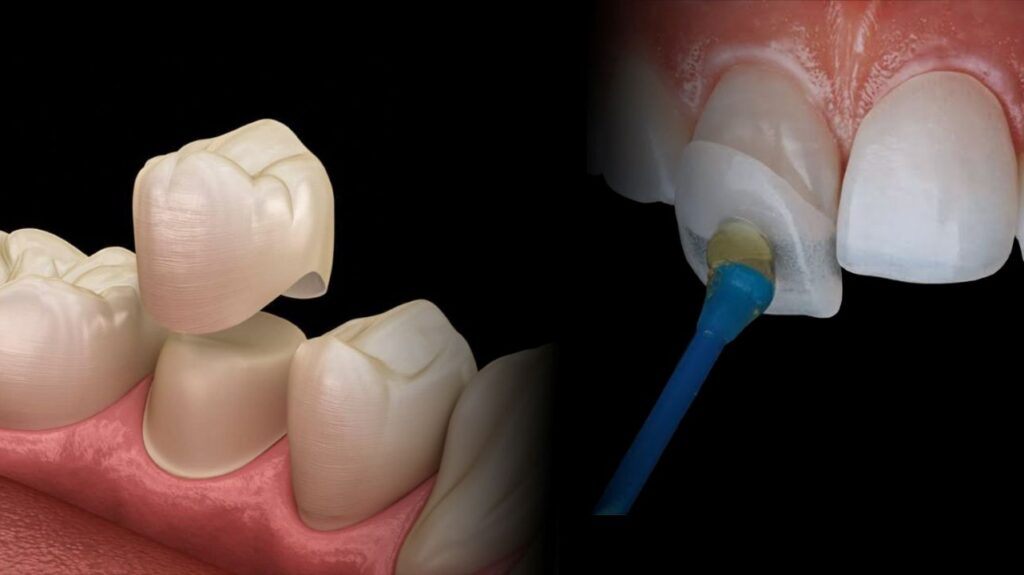
A Hollywood Smile usually means teeth that look brighter, straighter, and more even. Most people use the term to describe a smile makeover that relies on either veneers or crowns, sometimes both.
Even though the results can look similar, veneers and crowns are designed for different situations. The biggest difference is how much of the tooth they cover, because that affects how much support the tooth gets and how much tooth structure must be reshaped.
If you want a safe, long-lasting result, the best choice is not “which looks better.” It is “which option matches my tooth health and bite.”
At a glance
- Veneers are best when teeth are mostly healthy and your goal is mainly cosmetic.
- Crowns are best when a tooth needs protection because it is weak, heavily filled, cracked, or worn.
- Both can cause short-term sensitivity and require long-term maintenance.
- Many smile makeovers use a mix of veneers and crowns depending on each tooth.
Quick comparison
| Topic | Veneers | Crowns |
|---|---|---|
| Coverage | Front surface | Covers the tooth like a cap |
| Main purpose | Cosmetic change | Strength + function, plus cosmetics |
| Best fit | Mostly healthy teeth | Compromised teeth that need protection |
| Tooth prep | Usually enamel reduction on the front | Reshaping around the tooth |
| Short-term issues | Sensitivity, gum irritation | Sensitivity, gum irritation |
| Long-term issues | Chips, loosening, wear | Chips, cracks, decay at edges, loosening |
What veneers are
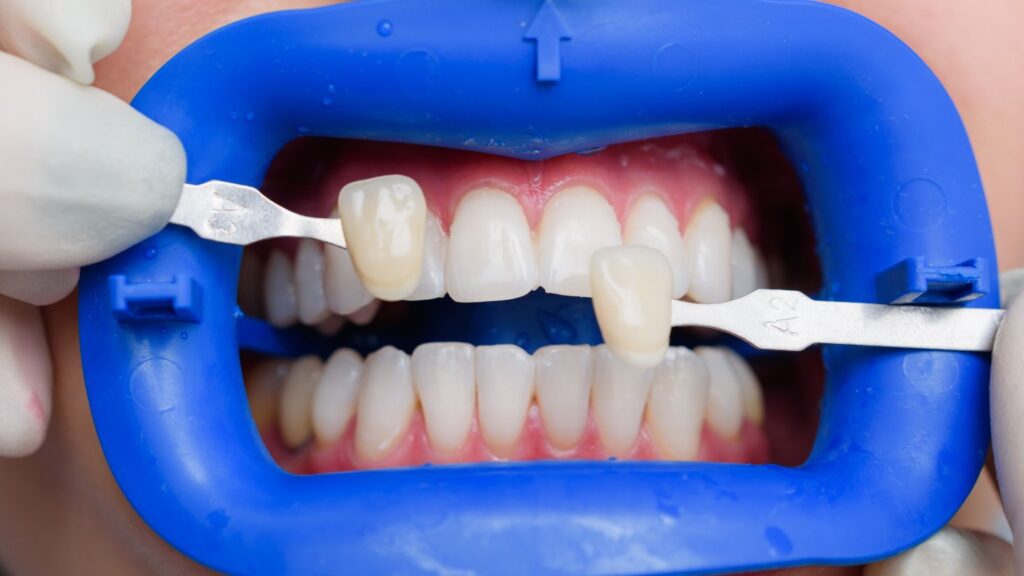
Veneers are thin shells bonded to the front of your teeth. They are mainly used to change how teeth look, such as improving color, small chips, mild spacing, or uneven edges.
Veneers may be a good fit if you want to:
- cover stubborn stains that do not respond well to whitening
- fix small chips or worn edges
- improve mild spacing or slight shape differences
Veneers may be a poor fit if:
- your teeth are structurally weak or heavily filled
- you clench or grind without protection
- your bite puts heavy pressure on the front teeth
What crowns are
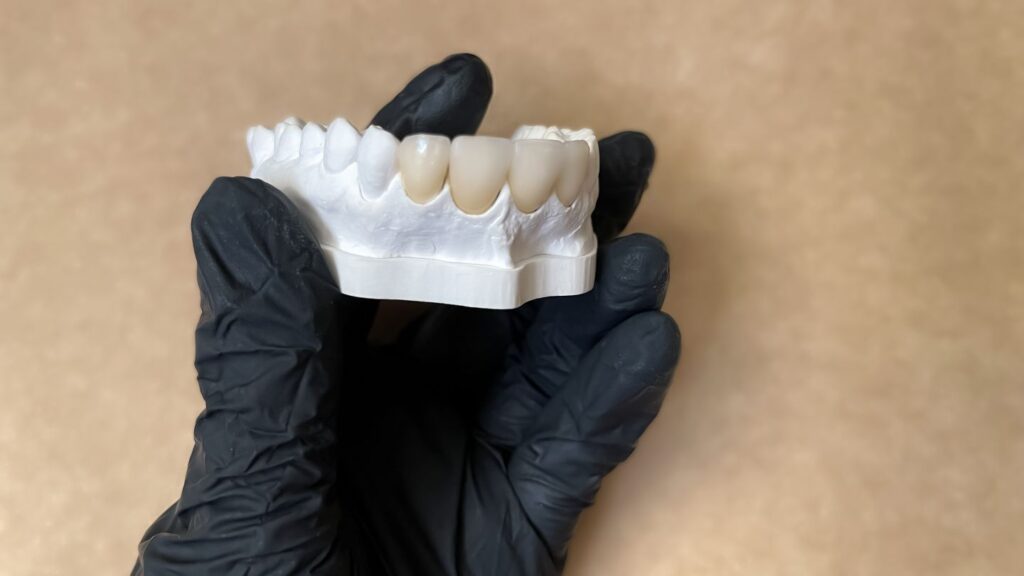
A crown is a restoration that covers the tooth above the gumline, like a fitted cap. Crowns are often recommended when a tooth needs structural support, not just cosmetic improvement.
Crowns are commonly used when a tooth:
- has a large filling and not much strong tooth left
- is cracked, fractured, or severely worn
- needs coverage after major dental work (for example after a root canal)
- needs full-coverage protection because of bite forces
Crowns can still look very natural. The key is that they are usually chosen because the tooth needs protection and stability.
Which one is better for a Hollywood Smile?
If your teeth are healthy and you mainly want a cosmetic change, dentists often recommend veneers first. Veneers improve appearance without covering the entire tooth.
If your teeth already have damage or weakness, crowns may offer the safer choice. Crowns restore strength and function while still delivering a strong cosmetic result.
Many smile makeovers use a combination of both. Dentists place veneers on some teeth and crowns on others, depending on which teeth need more protection.
Side effects: what you might feel after treatment
Because both procedures can involve tooth shaping, bonding or cementation, and working close to the gums, the first days can come with a few temporary changes. The good news is that many people also notice immediate cosmetic improvements, and most short-term discomfort improves as your mouth adjusts.
Common short-term side effects include:
- cold sensitivity, especially in the first days
- mild gum tenderness around treated teeth
- a bite that feels “high” or slightly off until adjusted
You may also notice some positive changes right away, such as:
- a brighter, more even-looking smile
- smoother tooth edges (which can make teeth feel “cleaner” when you run your tongue over them)
- improved confidence in photos and social situations
If you feel sharp pain, if it worsens, or if it lasts longer than expected, visit a dentist for a check. Sometimes the dentist can fix it with a simple bite adjustment. Other times, the tooth’s nerve reacts to irritation and needs a full evaluation.
Longer-term risks to know about
Veneers and crowns can wear out or break over time, especially if your dentist doesn’t plan the bite well or if you grind your teeth.
Long-term risks can include:
- chipping or cracking
- loosening or debonding
- gum inflammation if margins trap plaque
- decay at the edges if hygiene slips
Also, these restorations are not “forever.” They can last many years, but planning for maintenance and eventual replacement is part of a responsible decision.
What affects cost
Costs vary by country and clinic, but the biggest drivers are usually complexity and materials.
Factors that often change the total cost include:
- the number of teeth treated (6, 8, 10, or more)
- the material and lab quality
- how much prep and customization is needed
- temporary phases and follow-up adjustments
- whether you need any pre-treatment (gum care, cavities, orthodontics, bite therapy)
To see how these factors could affect your price, try our Hollywood Smile cost calculator. It gives a quick estimate based on the treatment type and how many teeth you’re treating.
How dentists decide between veneers and crowns
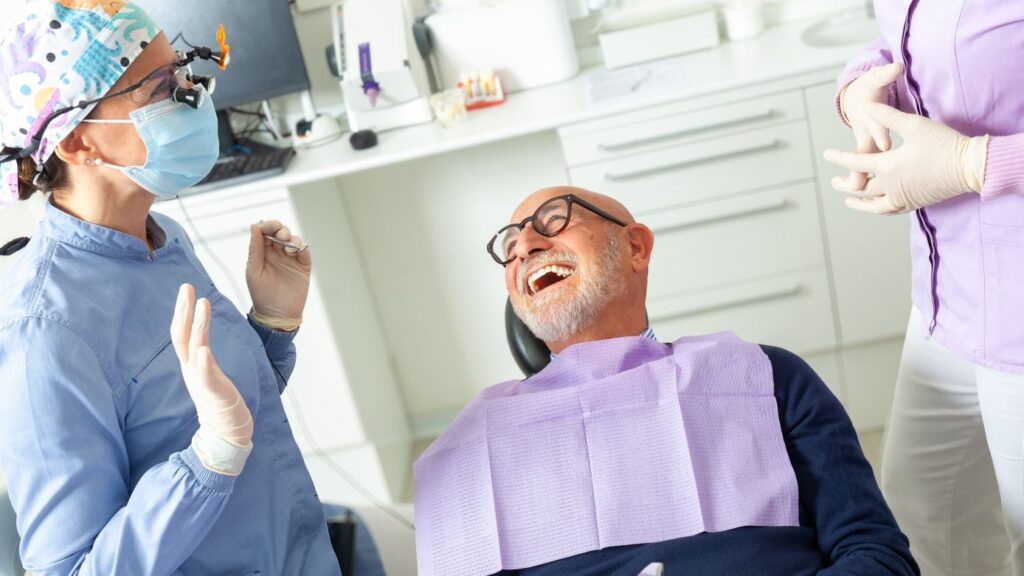
A good plan starts with a full diagnosis. Your dentist checks gum health, cavities, enamel thickness, bite forces, and habits like grinding.
After that, the choice often becomes clear:
- When a tooth needs protection, dentists often choose crowns.
- When a tooth is strong and the goal is cosmetic, dentists often choose veneers.
- In cases where different teeth need different solutions, dentists often combine veneers and crowns.
If the plan feels rushed, or someone recommends many crowns without a clear reason, ask questions and consider getting a second opinion.
Questions to ask before you commit
- Why do you recommend veneers or crowns for my specific teeth?
- How much tooth structure will be removed?
- Can I see a preview (mock-up or temporary try-in)?
- How will you check my bite and adjust it afterward?
- What should I expect in the first week (sensitivity, gum healing)?
- What is the maintenance plan, and what happens if something chips?
FAQ
Bottom line
Veneers are mainly cosmetic and often make sense when teeth are healthy. Crowns are more protective and often make sense when teeth are weak, heavily restored, cracked, or worn. For a Hollywood Smile that lasts, the safest choice is the one that matches your tooth condition and bite, even if that means using a mix.