By HollywoodSmiles.net Team | Updated on January 27, 2026
Choosing between veneers, crowns, and bonding is not really a “which looks best” question. It is a “which option matches my tooth health and bite” question. That is how you get a result that looks great and holds up.
This guide compares all three so you can walk into a consultation with clarity.
At a glance
- Veneers are best when teeth are mostly healthy and your goal is mainly cosmetic, because they cover the front surface of teeth.
- Bonding is best for small cosmetic fixes (chips, tiny gaps, minor reshaping) and is usually done in one visit. It typically lasts 3 to 10 years and can stain or chip more easily than porcelain.
- Crowns are best when a tooth needs protection and strength, because they cover the entire tooth like a cap. Crowns often last 5 to 15 years with good care.
- Many smile makeovers use a mix: bonding on some teeth, veneers on others, and crowns only where teeth need real structural support.
Quick comparison
| Feature | Bonding (composite) | Veneers | Crowns |
|---|---|---|---|
| What it covers | A specific area (built onto the tooth) | Front surface of the tooth | Entire tooth (full coverage) |
| Best for | Small chips, small gaps, minor shape/colour tweaks | Cosmetic changes on mostly healthy teeth | Weak, heavily filled, cracked, worn, or root canal treated teeth |
| Tooth removal | Usually minimal | Often some enamel removal | Usually more reshaping for full coverage |
| Visits | Often 1 visit | Often 2+ visits | Often 2+ visits |
| Typical lifespan | 3 to 10 years | Replacement often every 10 to 20 years (varies) | 5 to 15 years |
| Biggest tradeoff | More prone to staining/chipping than porcelain | Not reversible once enamel is removed | More tooth reduction, used when strength is needed |
What bonding is
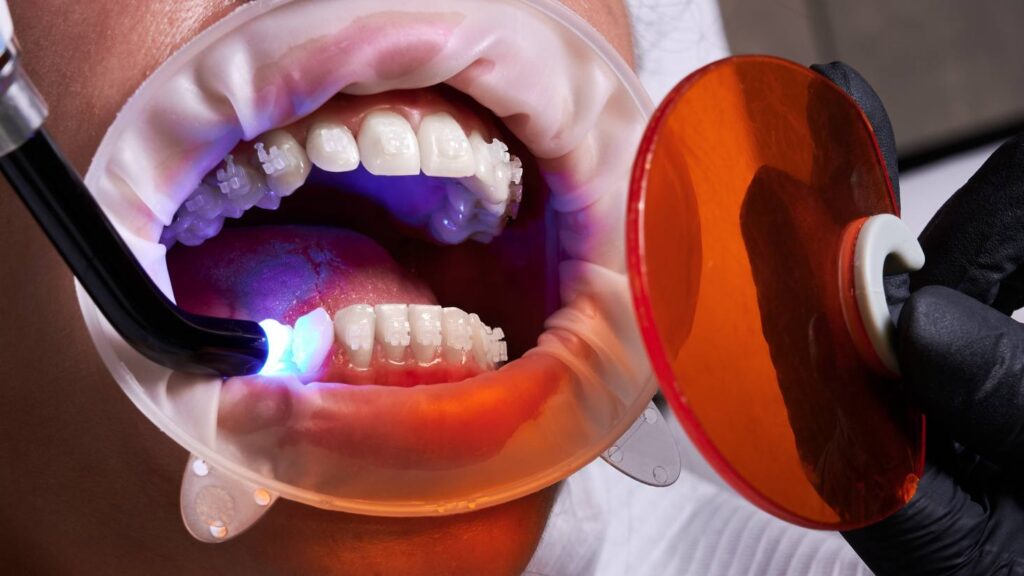
Dental bonding (also called composite bonding) uses a tooth-coloured resin that your dentist sculpts onto the tooth to change its shape, size, or colour, or to hide chips and gaps.
Why people choose bonding:
- Fast: often completed in a single visit.
- Conservative: it typically does not require significant enamel removal.
- Reversible in many cases, because less enamel is removed than with veneers or crowns.
Limitations to know:
- Bonding can chip over time and does not resist stains as well as porcelain.
- It is usually best for small to moderate cosmetic changes, not dramatic transformations.
What veneers are
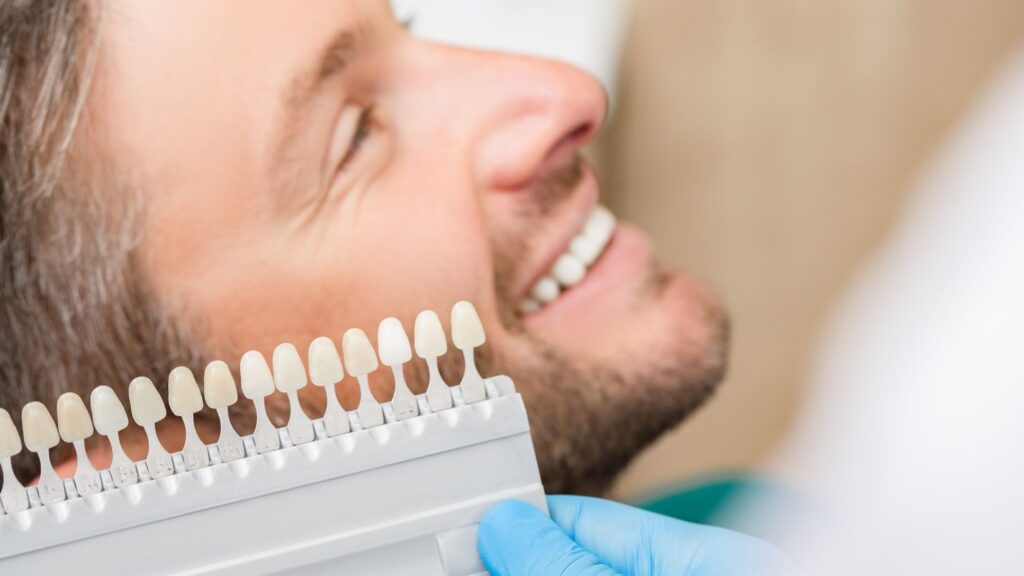
Veneers are custom-made shells that fit over the front surface of your teeth to conceal chips, stains, gaps, and other cosmetic imperfections.
A key point many people miss:
- Veneers are mainly cosmetic. They can transform how teeth look, but they do not necessarily “strengthen” a damaged tooth the way a crown can.
Also important:
- Veneers are usually an option only when you are free of extensive cavities or gum disease, because those problems need treatment first.
What crowns are
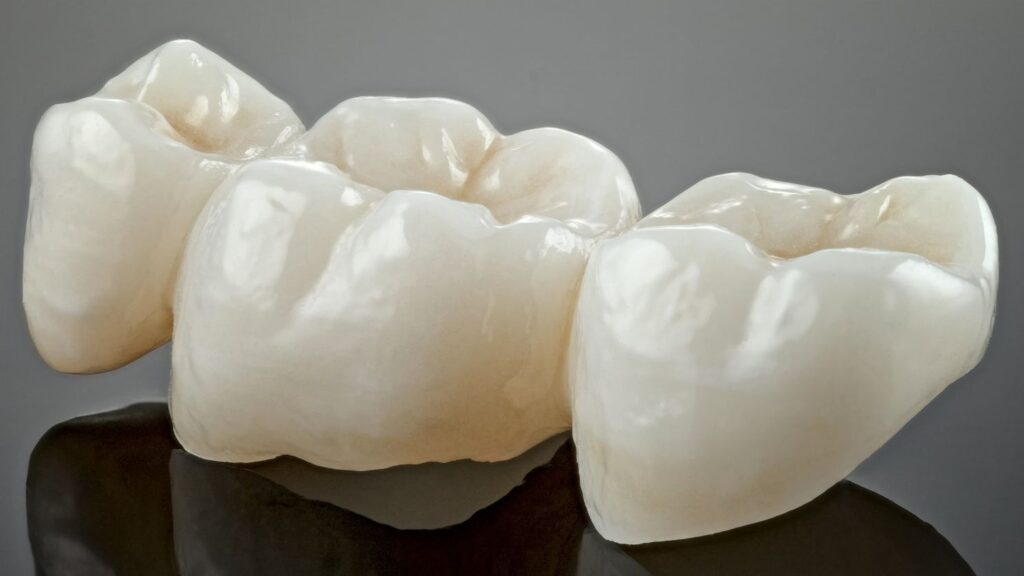
A dental crown is a tooth-shaped cap that covers the tooth to restore a tooth that is decayed, broken, weak, or worn down.
Crowns are commonly used to:
- strengthen a weak tooth
- protect a cracked tooth
- restore a worn or broken tooth
- cover a root canal treated tooth or a dental implant
Because a crown fits over the whole tooth, your dentist typically needs to remove a small amount of enamel so it fits properly.
Which one is right for your smile?

Here is the simplest way to think about it.
Choose bonding if…
Bonding can be a great choice if you want a conservative, quick improvement, such as:
- smoothing a small chip or rough edge
- closing a small gap
- making a subtle shape change
- starting with the least invasive option before committing to veneers or crowns
Bonding can be a smart “first step” when you are not ready to commit to something more permanent.
Choose veneers if…
Veneers tend to make sense when:
- your teeth are healthy overall and the goal is mainly cosmetic
- a more stain-resistant, longer-lasting result matters to you compared to bonding
- consistent shape, colour, and symmetry across the smile zone is the priority
Choose crowns if…
Crowns are usually the safer choice when:
- a tooth is weak, heavily filled, cracked, or severely worn
- you need full-coverage protection because of bite forces
- the tooth has had major work (for example, after a root canal)
In other words: if the tooth needs strength and stability, crowns are often chosen because they protect the entire tooth.
The option many people actually need: a combination
Real smiles are not one-size-fits-all. It is common for a dentist to recommend:
- bonding for tiny tweaks
- veneers for healthy teeth where aesthetics are the main goal
- crowns only where a tooth truly needs structural support
If someone recommends lots of crowns for mostly healthy teeth without a clear reason, slow down and ask questions.
Side effects: what you might feel after treatment

Across all three options, short-term effects can include:
- temporary sensitivity
- mild gum tenderness
- a “new bite” feeling as your mouth adapts
Sensitivity is often more noticeable after treatments that involve more tooth reshaping. Veneers and crowns can cause short-term sensitivity and require long-term maintenance.
Longer-term risks and maintenance
All cosmetic restorations need upkeep. Long-term risks can include:
- chipping or cracking
- loosening or debonding
- gum irritation if margins trap plaque
- decay at the edges if hygiene slips
Bonding specifically is more likely to:
- stain over time
- chip sooner than porcelain restorations
The best protection for your investment is boring but powerful: good hygiene, regular checkups, and bite planning that accounts for grinding and heavy forces.
What affects cost
Exact prices vary by country, clinic, and complexity, but the biggest cost drivers are usually:
- how many teeth are treated
- materials and lab quality
- how much prep and customisation is needed
- whether you need pre-treatment (gum care, cavities, orthodontics, bite therapy)
A good clinic should explain why a more expensive option is recommended, not just sell it as an upgrade.
How dentists decide between bonding, veneers, and crowns

A good plan starts with diagnosis. Dentists evaluate gum health, cavities, enamel thickness, bite forces, and habits like grinding, then choose the most conservative option that will still be predictable long-term.
A simple rule that often holds:
- Need protection or extra strength? Crowns are often chosen.
- Tooth is strong and the goal is cosmetic? Veneers are often chosen.
- Only minor changes needed? Bonding may be enough.
Questions to ask before you commit
Bring these to your consult:
- Why do you recommend bonding vs veneers vs crowns for my specific teeth?
- How much tooth structure will be removed?
- Can I see a preview (mock-up or temporary try-in)?
- How will you check my bite and adjust it afterward?
- What should I expect in the first week (sensitivity, gum healing)?
- What is the maintenance plan, and what happens if something chips?
FAQ
Bottom line
- Bonding is best for small cosmetic changes and quick improvements, but it typically needs touch-ups sooner.
- Veneers are best when teeth are healthy and you want a more comprehensive cosmetic upgrade of the front surfaces.
- Crowns are best when a tooth needs strength and protection, not just a cosmetic change.
If you want a result that lasts, the safest choice is the one that matches your tooth condition and bite, even if that means mixing treatments.
Sources
1) American Dental Association (ADA), “Whitening” (whitening affects natural teeth, not restorations)
2) MouthHealthy by ADA, “Veneers” (patient-friendly overview and key cautions)
3) Cleveland Clinic, (bonding basics, lifespan, pros/cons)
4) MouthHealthy by ADA, “Crowns” (patient-friendly overview of when crowns are recommended)
Have questions about a Hollywood Smile?
Enter your phone number and we’ll call to answer general questions and explain your options.